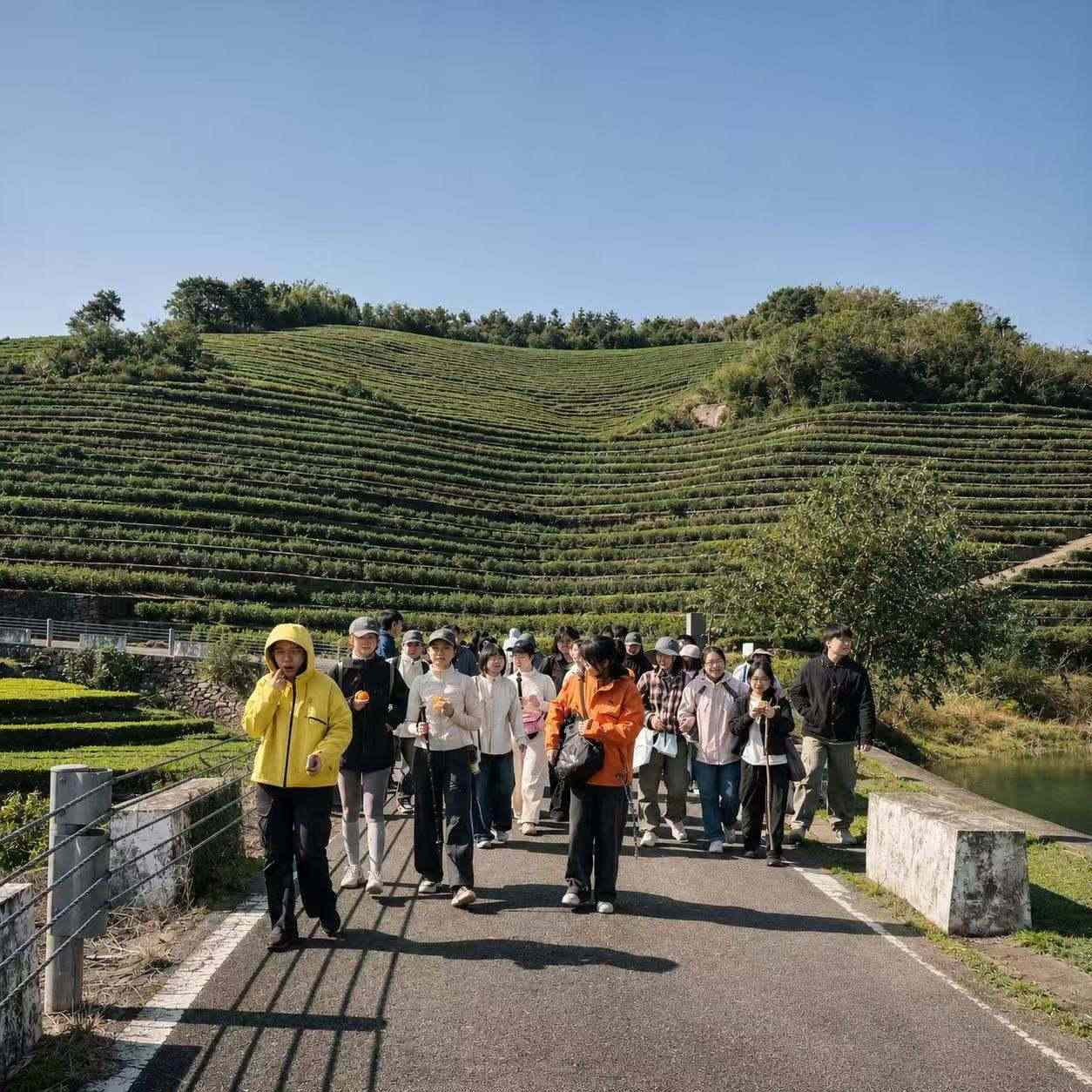
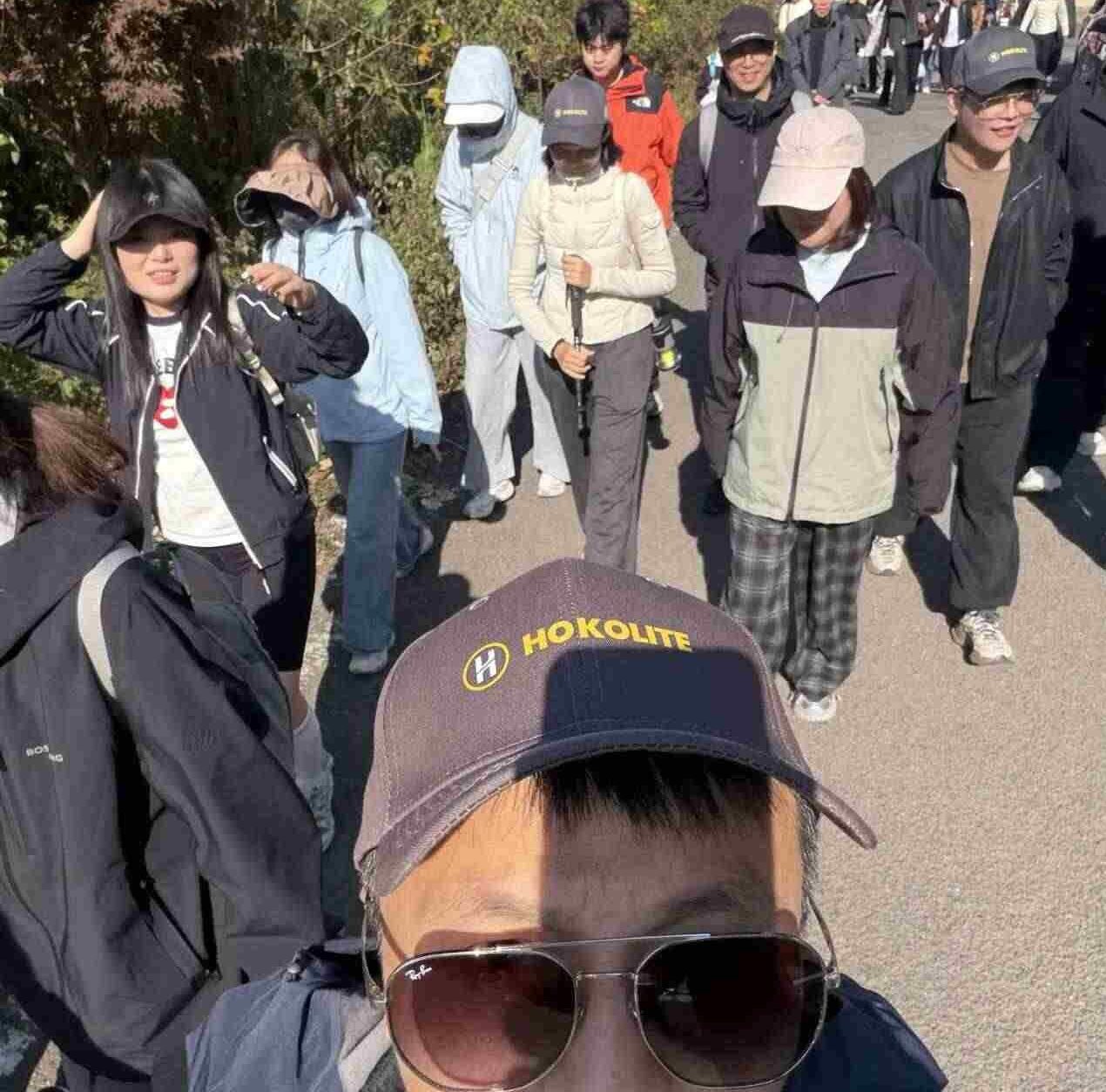
An outdoor team building day took HOKOLITE colleagues away from desks and meeting rooms for a hillside walk, group activities, and an evening meal under a pink canopy. Backpacks, snacks, conversation, and laughter filled the day. The photos capture a relaxed side of work: colleagues sharing time without a meeting agenda or project deadline in view.
People across a company see the same work from different angles. Time together makes it easier to understand how someone else approaches a problem, and that familiarity can carry into later collaboration. A shared walk or game may seem simple, but small moments—waiting for someone on the path or helping each other during an activity—help a group feel more at ease.
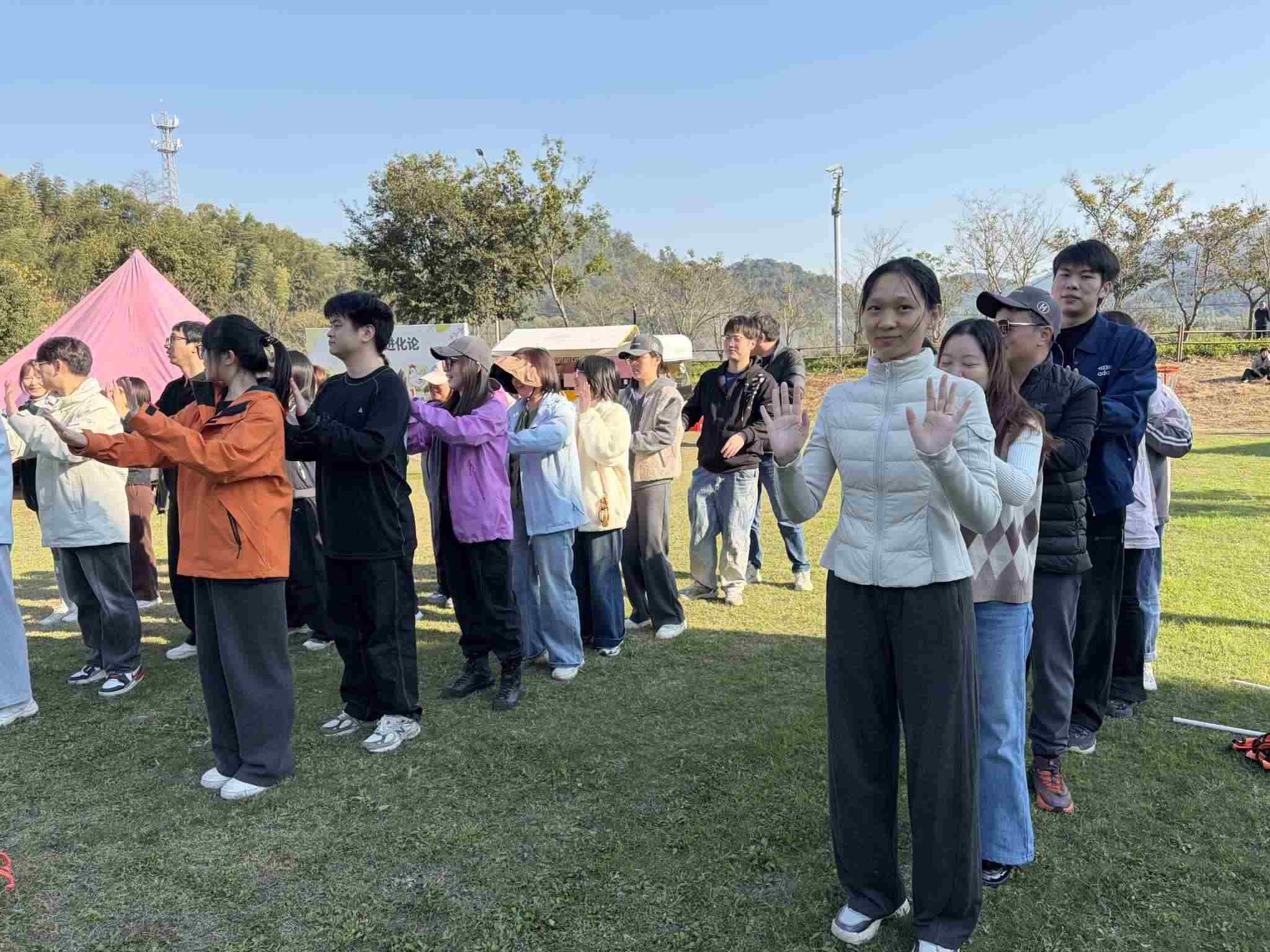
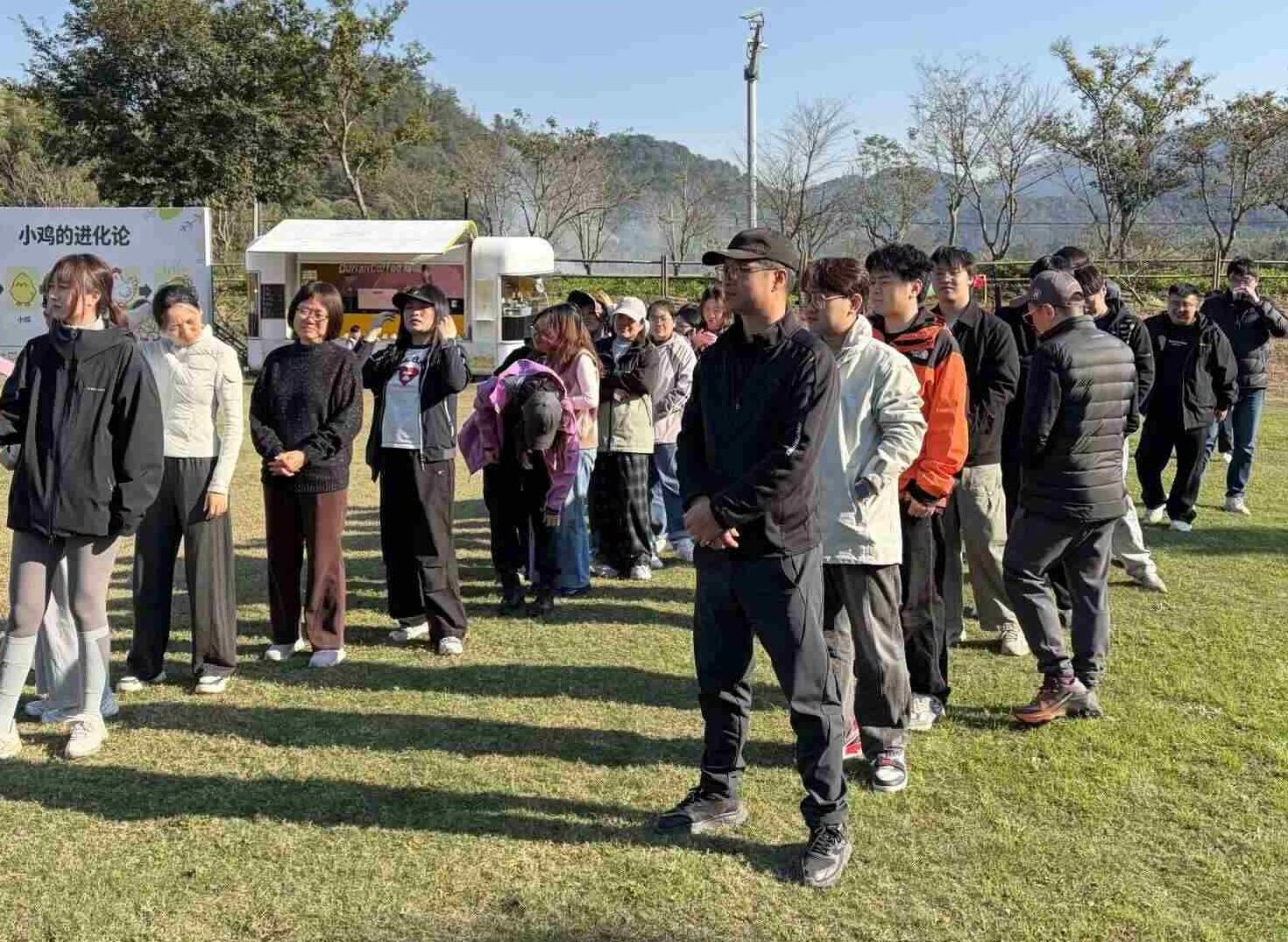
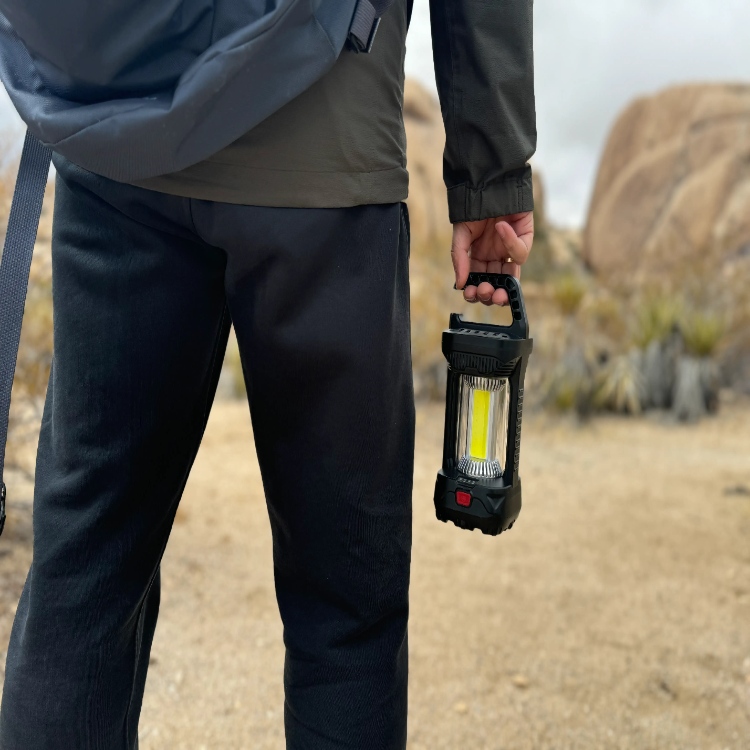
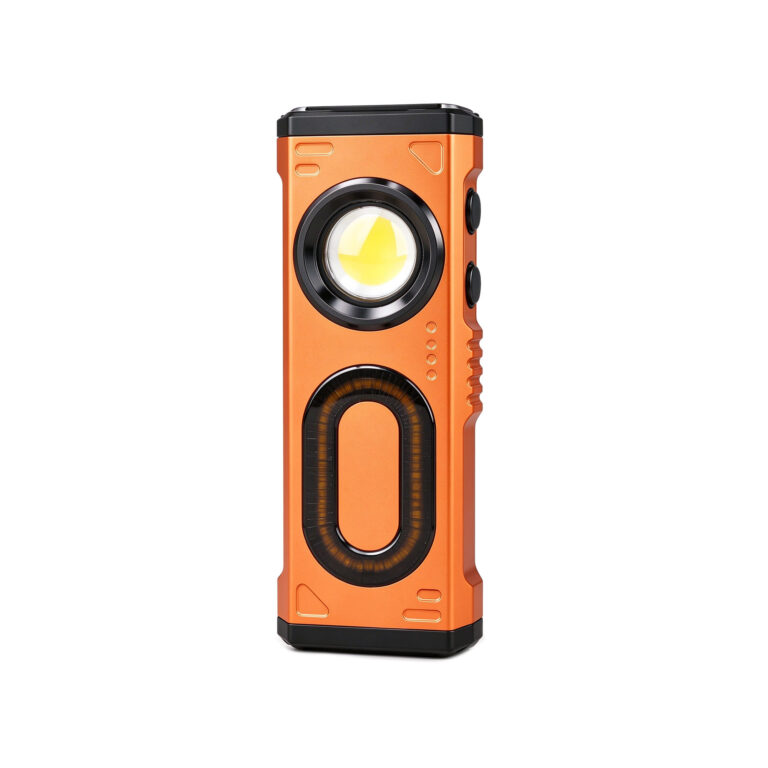
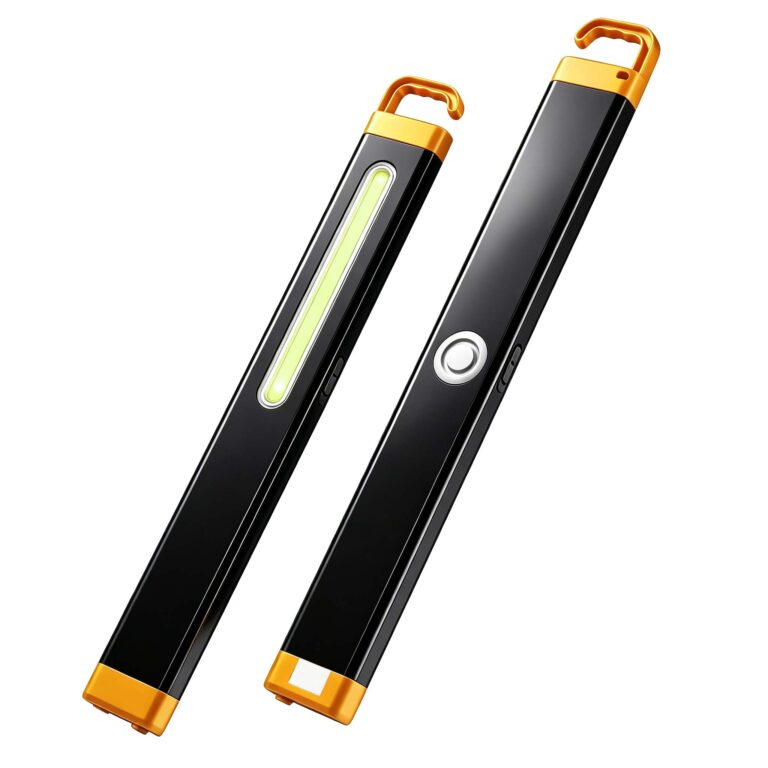
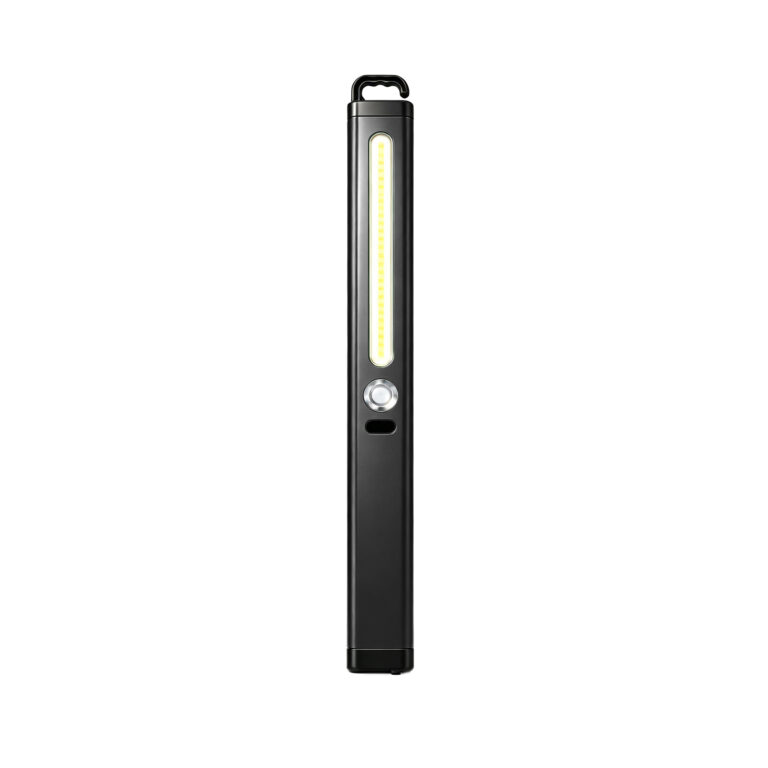
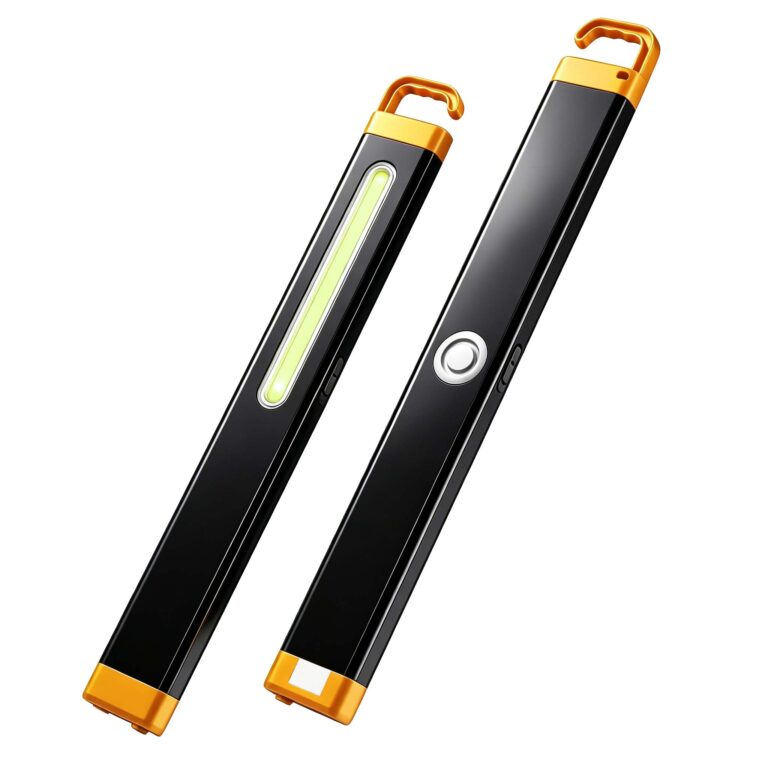
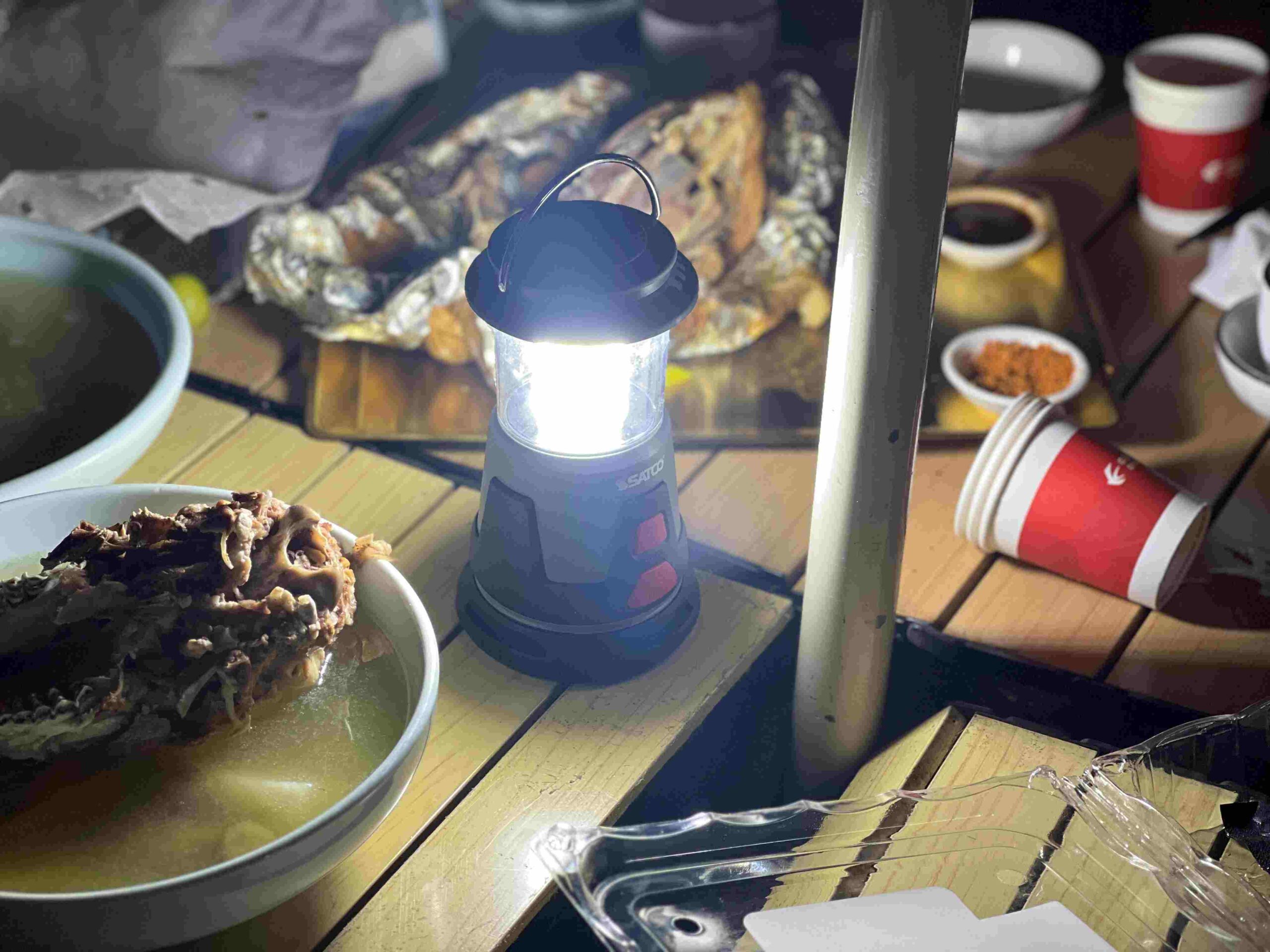
The team also brought HOKOLITE lights along. The photos show a lantern on the shared meal table, plus compact lights worn on clothing or attached to bags. They are everyday examples of portable lighting in use: one light in a shared space, smaller lights carried while people move around outdoors.
A Linterna de camping can serve a group gathered around a table, where people are talking, sharing food, and reaching for things. That setting brings practical design questions into view: how comfortably does light fill a shared area, and can people move around without the lantern getting in the way? The compact lights suggest a different use context—staying close at hand while walking with a jacket or backpack.
The photos do not identify the models, so this article refers to them by use rather than model name. They do show HOKOLITE products outside the office, alongside the people who work on lighting for real routines and changing environments.
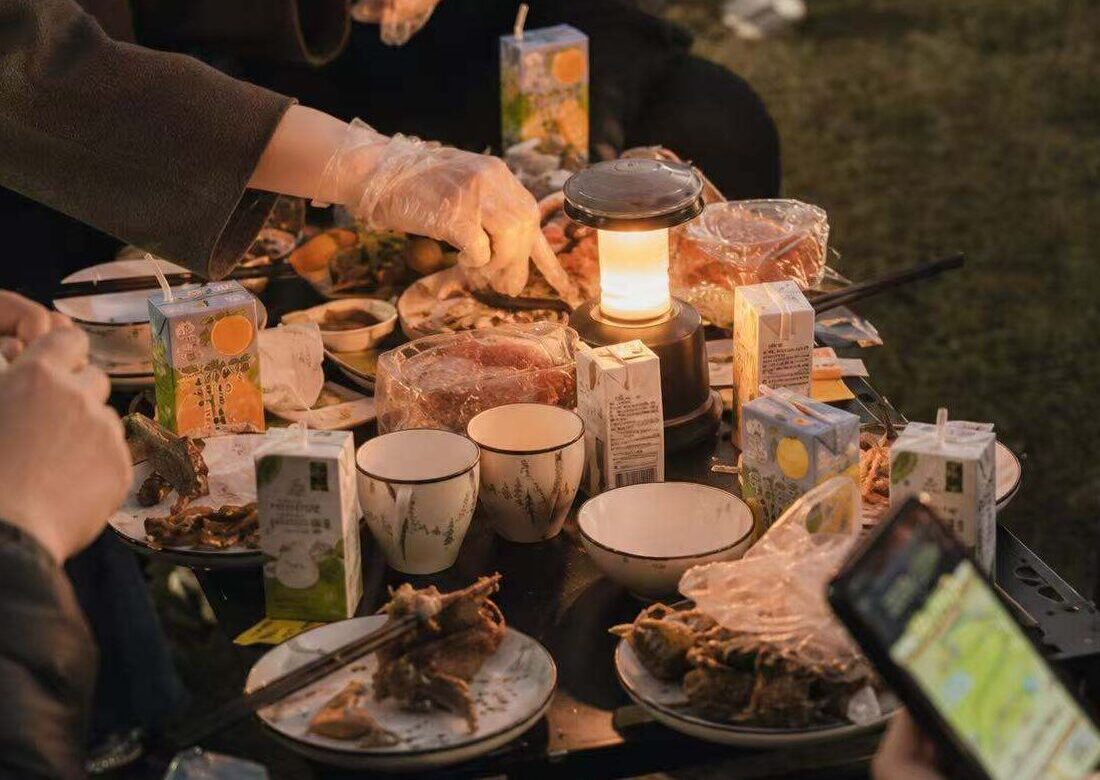
A hands-on product experience adds context that a desk review cannot provide on its own. Outdoors, people carry bags, move between activities, and share light with others. Those ordinary conditions prompt useful questions for a product team: Is the light comfortable when people sit close together? Does it illuminate the area they need? Can someone reach the controls easily? Does a compact light stay convenient to carry?
These are design questions, not test results or recorded employee feedback. No specific brightness, button, runtime, or comfort assessment was documented during this activity. Still, seeing products in a real setting can help a team notice which details deserve closer attention and which user needs to explore in future research.
That way of thinking connects with HOKOLITE’s Voice of the Customer approach. The company uses customer feedback and observed pain points to inform product decisions around controls, ergonomics, size, weight, brightness, and runtime. A team building day cannot replace optical, battery, durability, or IP testing. It can help the people behind a product keep its use context in mind when they return to design discussions.
For a LED Lighting Manufacturer working with brand owners, importers, wholesalers, and OEM/ODM partners, understanding use context supports more thoughtful product conversations. Real-world observations can help teams ask better questions; customer feedback and formal validation remain essential to answering them.
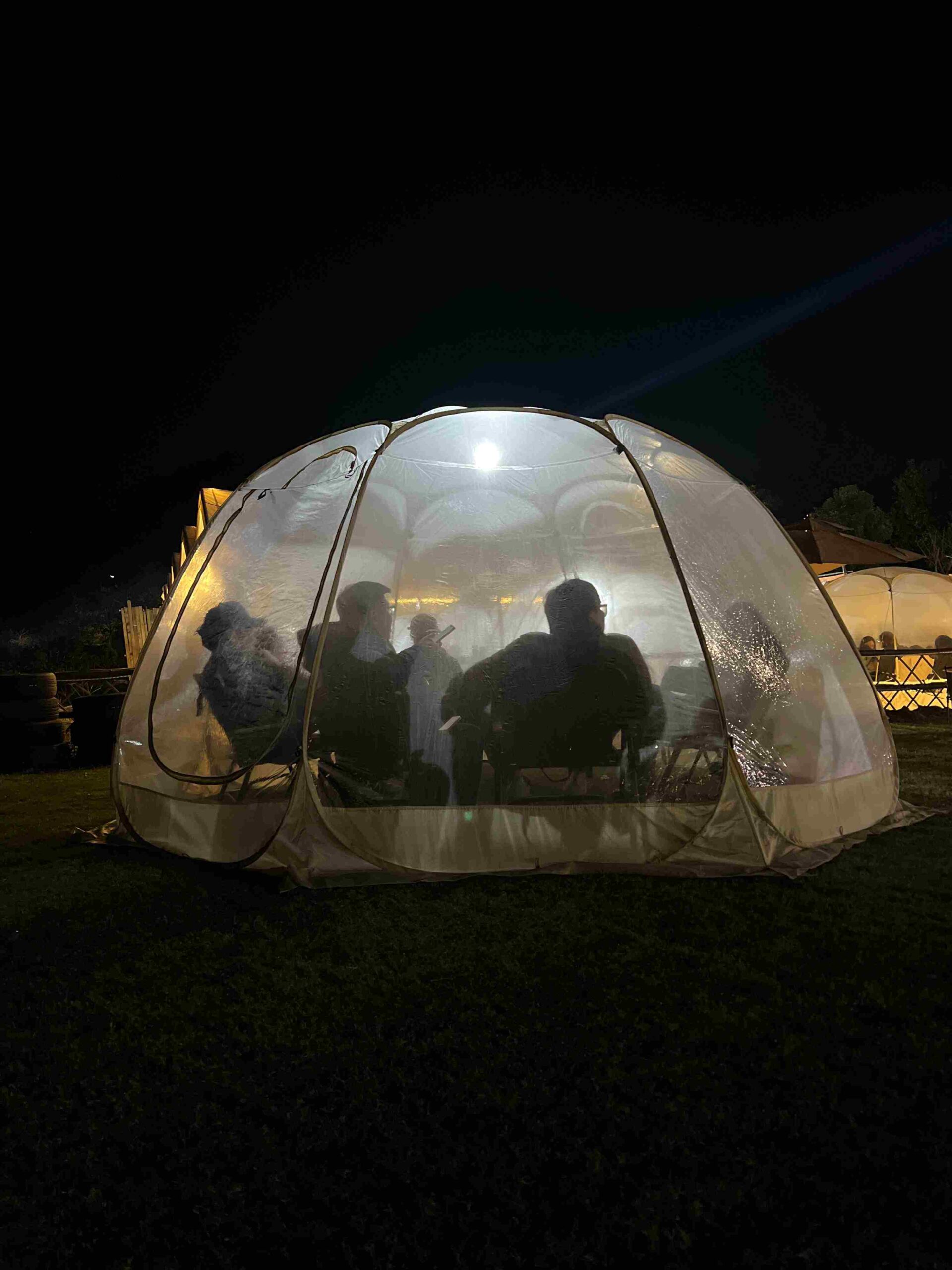
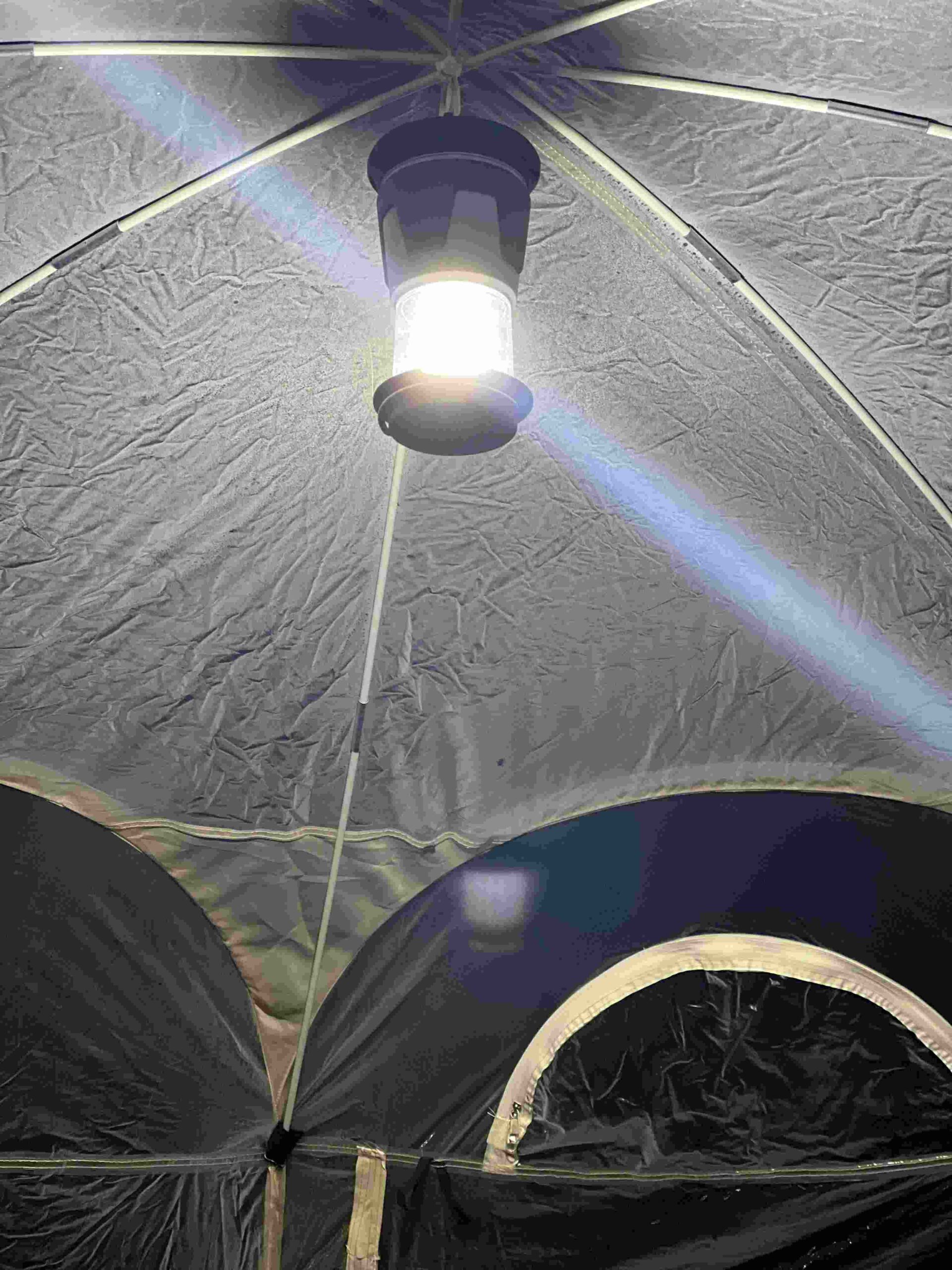
The day brought colleagues together through a walk, group activities, and a meal around one table. Away from regular roles and schedules, people had a chance to talk, laugh, and get to know one another in a different setting. Those shared experiences help build trust that carries into everyday collaboration.
They also connect company culture with the work itself. Portable lights are made for people with tasks to do in specific places and conditions. Spending time outdoors gives the team a reminder of that context—and a chance to think together about what could make a real moment easier for the person using the product.
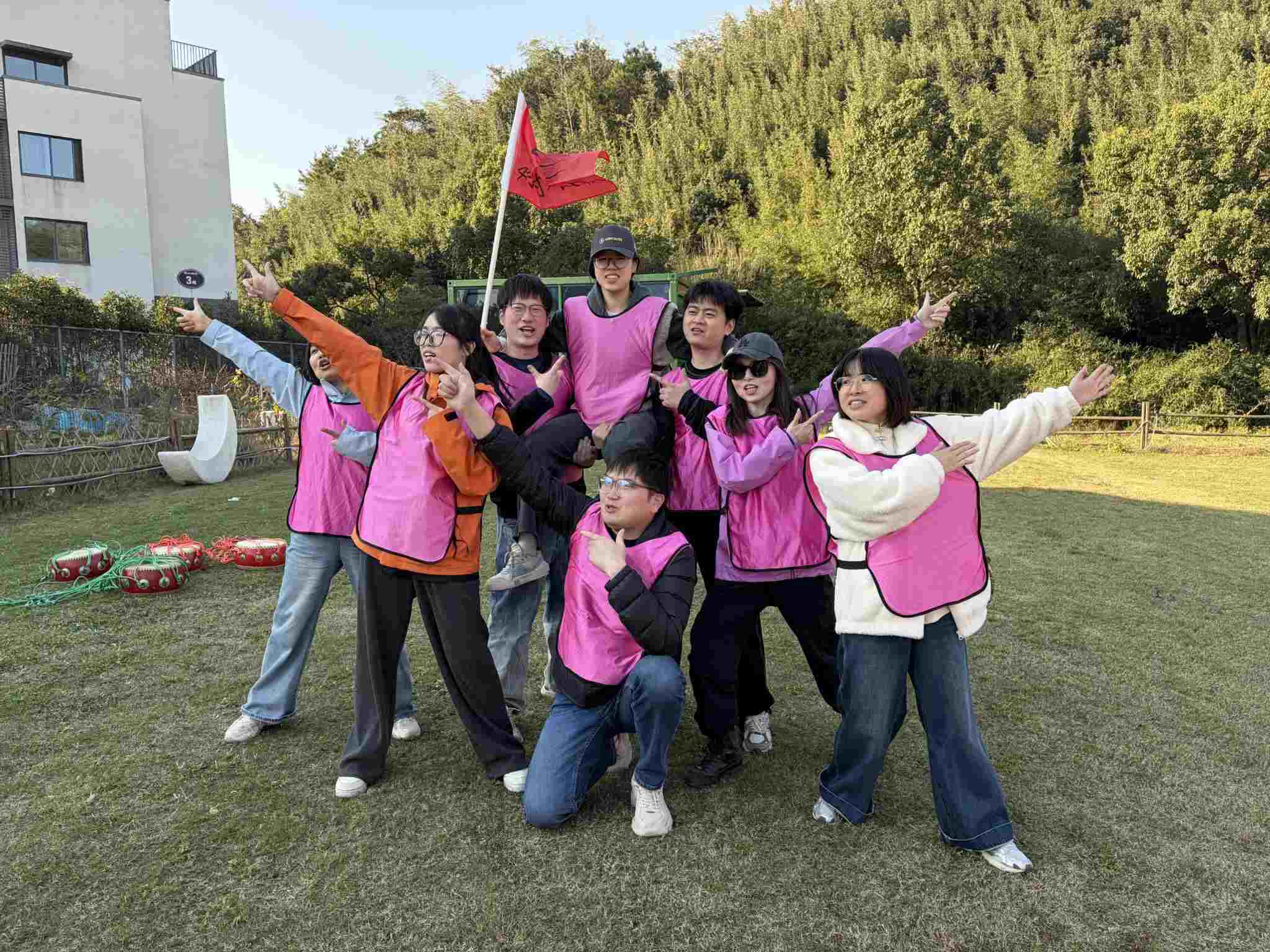
For the team, it was a welcome day outside and a chance to reconnect. The lantern at dinner and the compact lights on the walk made portable lighting part of the setting, while the time together reinforced a simple idea: better collaboration starts with shared experiences, and useful product decisions start with understanding people.