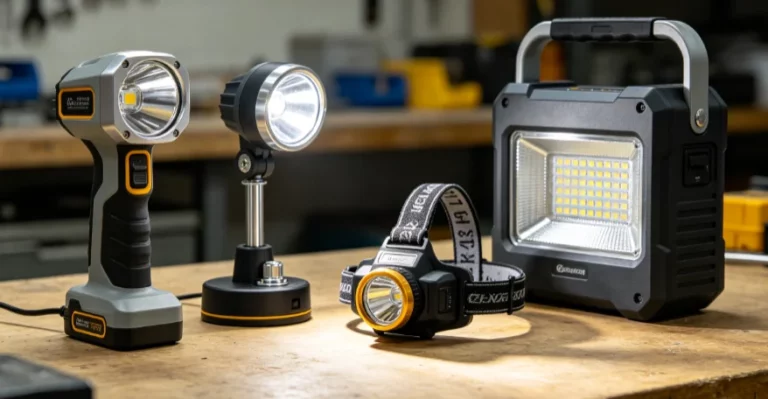
A headlamp is a light built to brighten the space in front of you. It also lights up the road ahead of cars. The word means two things. First, it is a lamp on a vehicle, often called a headlight. Second, it is a small light worn on your head or a hard hat. This article focuses on the wearable kind. It is a great hands-free tool. You use it for outdoor fun, daily work, close-up checks, and emergencies.
If you sell these items, picking the best one depends on a few things. You must check the wear method, battery life, and beam action. You must also know the safety rules for your specific market.
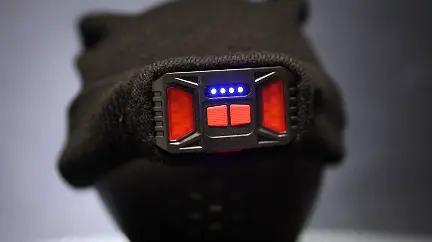
UM wearable headlamp combines a light source, clear lenses, a power system, easy controls, and a mount. Mostly, this light sits on a stretchy headband. Sometimes, it clips onto a safety helmet. When you turn your head, the beam moves exactly where you look. This clever setup leaves your hands totally free. You can walk safely, fix broken items, or hold heavy tools.
This product differs from a vehicle headlamp. A vehicle headlamp stays locked on a car or bike to illuminate roads. A wearable headlamp travels everywhere with you. You pick one based on comfort, task distance, and the local weather.
Having hands-free light is super helpful. You need it when you move or work in the dark. The exact job decides which features matter most.
Hikers and campers really love headlamps. They use them to pitch tents after dark, read paper maps, cook dinner, and walk safely. Backpackers care deeply about low bag weight. Trail runners need a tight fit and a strong forward beam. Mountaineering and caving demand tougher gear. These extreme sports require strict protection from heavy rain, hard drops, and temperature shifts.
Buyers check headband stability and long-wear comfort for outdoor products. They review beam direction, control access, charging method, and weather protection. A wide beam helps with nearby tasks, while a focused beam supports far route finding. A product line may need several beam and strap options.
Many workers use headlamps daily. This group includes repair techs, electricians, car mechanics, warehouse staff, and construction crews. They wear them when fixed lighting fails to reach a dark area. A headlamp can illuminate an electrical box or dark pipe while the user holds tools.
Work jobs emphasize secure positioning and clear close-range visibility. Workers want simple controls, reliable runtime, and high resistance to dust or water. A helmet-compatible mount matters a lot on building sites. A low-profile housing is useful in tight, confined spaces. For field service teams, battery logistics are just as vital as beam output.
Headlamps also help during power outages, roadside repairs, search tasks, and emergency response. The product should be easy to locate, operate, and recharge. A visible status indicator, dependable switch design, suitable battery protection, and secure strap improve readiness.
Rescue and industrial buyers must define the operating environment before selecting a model. Requirements may include water resistance, impact resistance, helmet mounting, or glove-friendly controls. Sometimes, the light must fit a specified battery system. These needs must strictly match target-market rules.
Quick Sourcing Guide:
The light source produces the actual illumination. Then, the lens or reflector shapes that bright beam. Controls let you select functions like on/off, brightness levels, or other modes. The power system may use replaceable cells, rechargeable batteries, or a customer-specified configuration. Finally, the headband or helmet interface keeps the lamp perfectly aligned with the user’s view.You can find more information about headlamp on sciencedirect.
Performance depends on the complete design. Optics affect beam spread and reach. The housing design affects overall balance, heat management, and physical protection. Electronics manage charging, switching, battery monitoring, and mode behavior. A sourcing brief should describe the task and environment clearly. The final brightness must be confirmed on the final model.
Always start with the user and the task. Confirm the technical and commercial details that affect safety, comfort, and repeatable factory production.
Check headband adjustment, soft contact materials, lamp balance, and compatibility with helmets. Ask if the lamp stays in strict position during walking, running, climbing, or repetitive work. For a private-label range, compare the intended wearer profile and packaging instructions before approving the housing and strap.
Define if the user needs close-range flood lighting, a focused forward beam, adjustable tilt, or multiple modes. Confirm switch location and operation with thick gloves if the product serves field workers. Optical performance should be tested on the final configuration. A generic claim does not describe every single model.
Runtime depends on the battery, selected mode, temperature, and electronic design. Confirm the expected duty cycle, charging interface, charge time, and battery replacement policy. Transport requirements also matter greatly. Battery safety and transport testing should strictly match the final cell and configuration.
Ask which dust, water, impact, durability, electrical, and chemical requirements apply to the target market. IP level, official certification, and test results are model-specific. They should be verified against the final structure, inner components, production sample, and sales region.
Procurement Item Checks:
HOKOLITE provides OEM/ODM development and manufacturing for portable lighting. Their company information lists headlamps for night work, outdoor sports, camping, running, and repair. Customization covers the brand name, logo, housing color, and finish. You can easily specify structural details, optics, brightness, color temperature, and lighting modes. They also handle the battery, charging, circuit functions, manuals, packaging, labels, accessories, and e-commerce materials.
The project flow runs safely from requirement discussion and joint design through 3D CAD, sampling, and testing. After sample approval, it moves to mass production, shipment, and launch support. Factory capabilities include CNC machining, injection molding, SMT and PCB assembly, and ultrasonic welding. They perform 100% finished-product aging tests, ANSI/PLATO FL1 optical testing, battery safety, durability, IP, RoHS, and REACH testing. The applicable requirement highly depends on the final model and market.
For a sourcing talk, submit the intended use, target users, required configuration, estimated quantity, packaging plan, and testing requirements. HOKOLITE can then assess the development route and return a sample plan or itemized quotation. Standard OEM MOQ is evaluated by project. Stock items are available from one piece, subject to current stock and confirmation.
Q1: What is a headlamp used for?
A: A wearable headlamp provides hands-free light for outdoor activities, tough work, repair, inspection, and emergency response tasks.
Q2: What is the difference between a headlamp and a headlight?
A: A wearable headlamp is worn on a person or a safety helmet. A vehicle headlamp, commonly called a headlight, is mounted tightly on a vehicle to illuminate the road.
Q3: Are headlamps suitable for professional work?
A: Yes. They support maintenance, construction, warehouse, vehicle service, and inspection tasks when the fit, beam, runtime, controls, and protection match the work environment.
Q4: What should you check before sourcing a headlamp?
A: You must define the exact use case, wear method, beam, controls, battery, and charging system. Check protection requirements, testing, packaging, order quantity, and target-market compliance.
Q5: Can HOKOLITE customize headlamps for a brand?
A: Yes. HOKOLITE’s documented OEM/ODM scope includes branding, housing, optics, lighting modes, battery, charging, electronics, packaging, manuals, labels, accessories, and e-commerce materials. Final specifications are firmly confirmed by model and project.