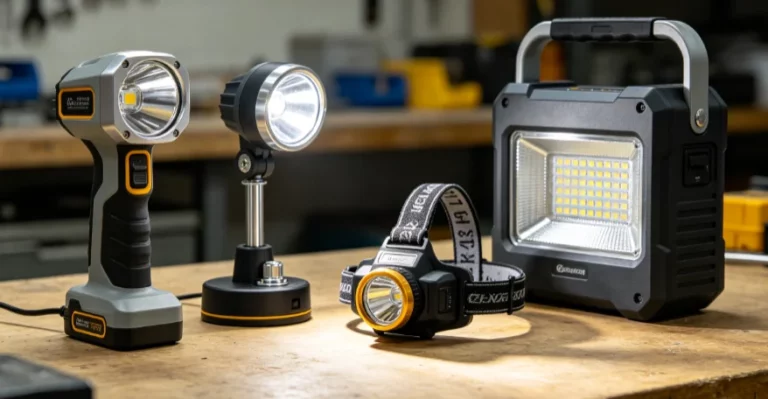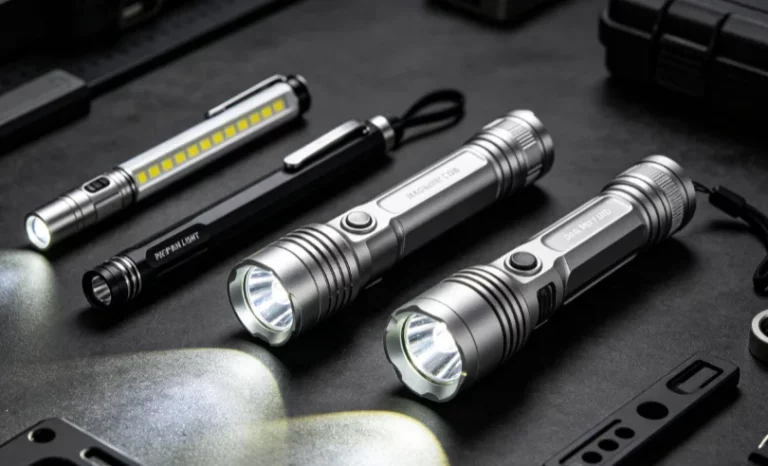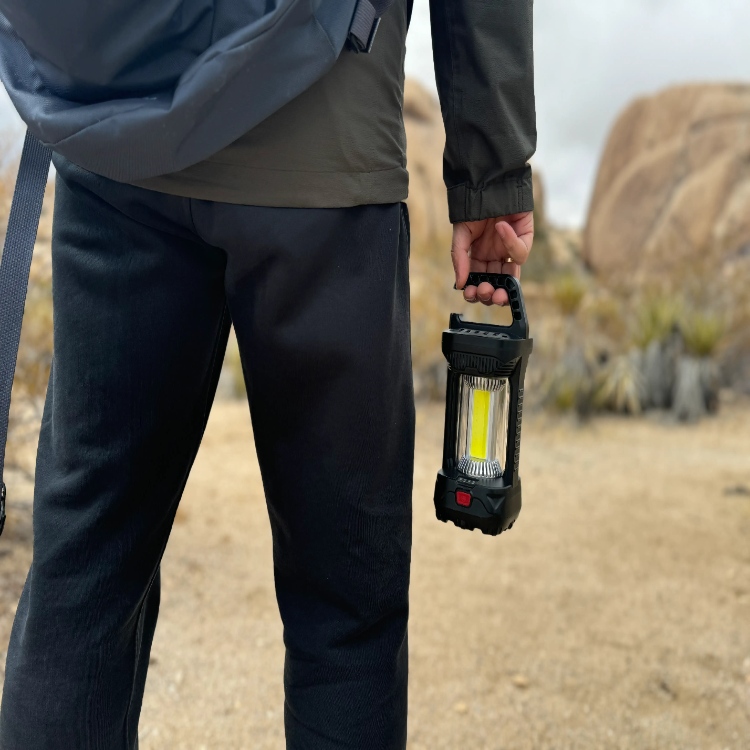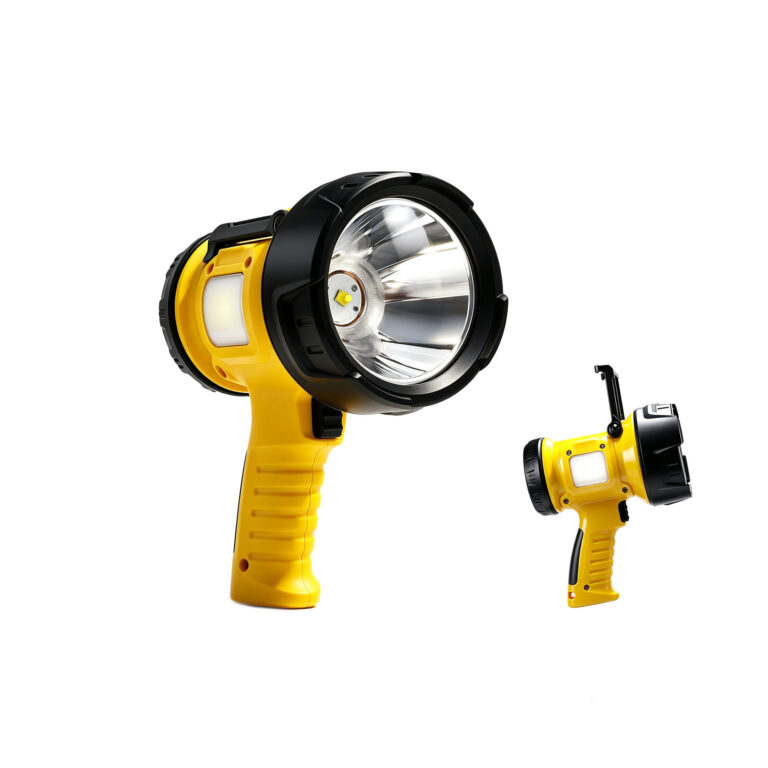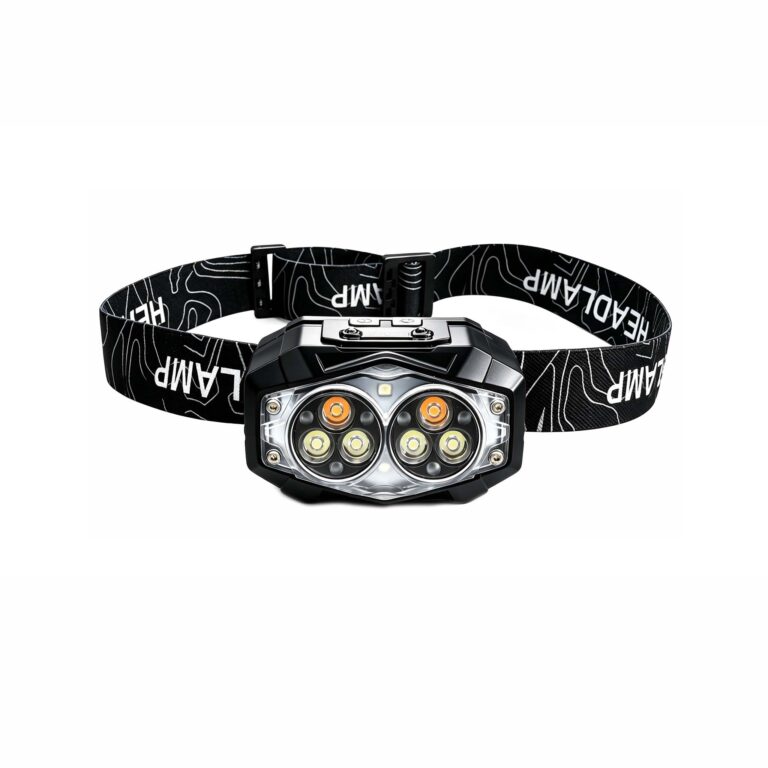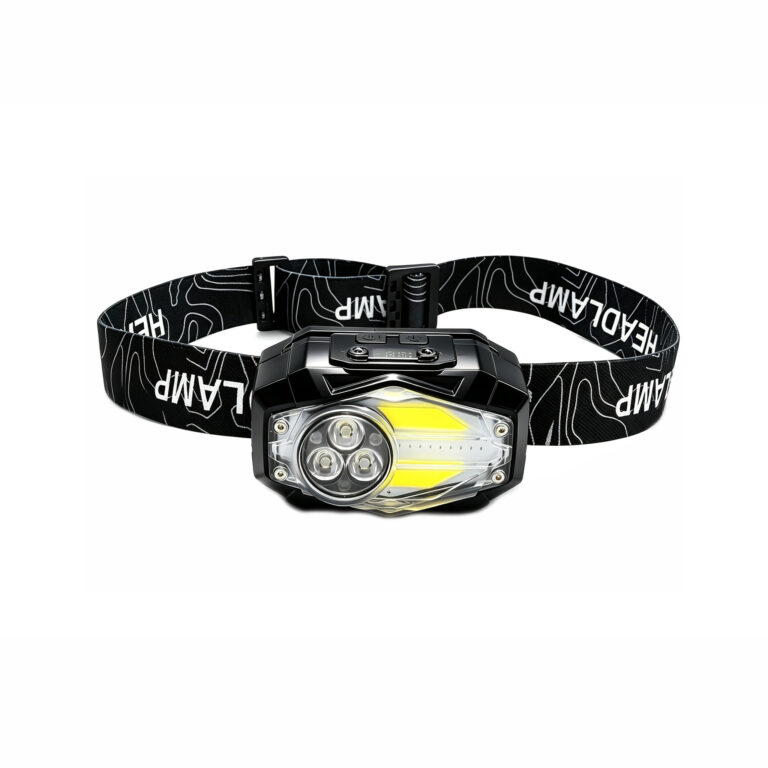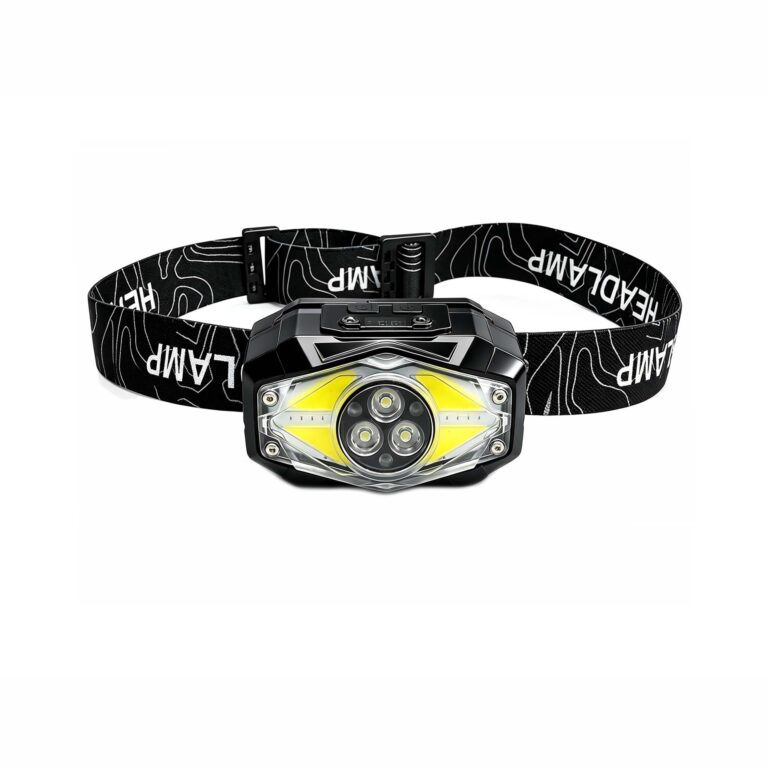
A rechargeable camping lantern can light a tent, campsite, or emergency area. For brands, importers, and distributors, the intended use guides brightness, battery, controls, housing, packaging, and documentation choices.
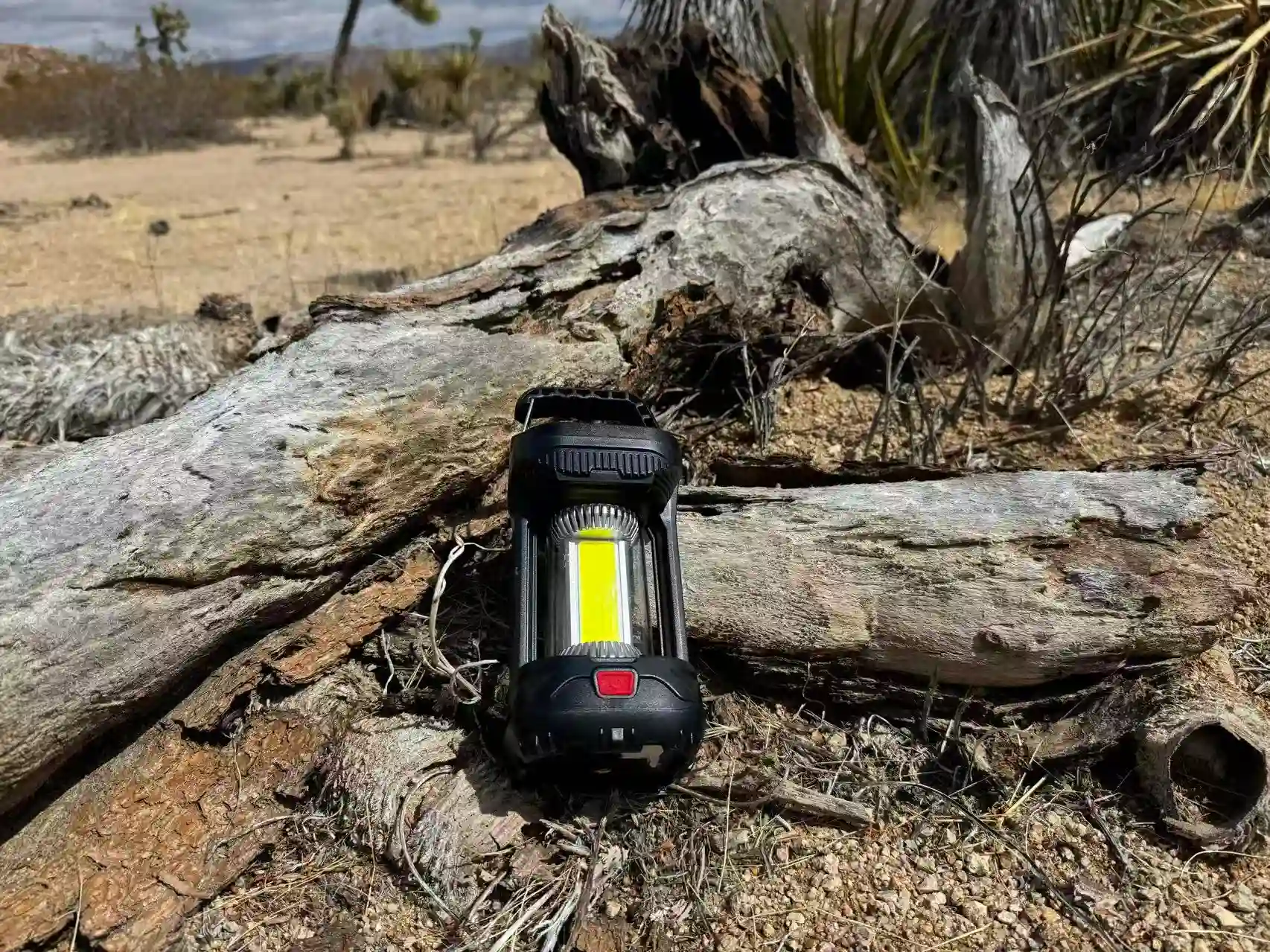
Define how customers will use the lantern before selecting features. Tent lighting, a shared campsite, and outage backup each call for a different product balance.
Tent models benefit from low brightness settings, comfortable color temperature, compact size, and a reliable hanging point. Group campsite use may need higher output, a stable base, handle, or hook. Emergency use calls for simple controls, clear battery status, and possibly backup power.
Mounting position affects useful output. Overhead lanterns need broad coverage; tabletop models need a stable base and a diffuser that limits eye-level glare. Include expected placement in the brief.
Ambient lanterns may add color effects and dimming. Keep a functional white-light mode for food preparation and finding equipment, and give each model a clear primary use.
Write a one-sentence use case for every model, or SKU (individual product code), to guide battery, beam, size, and accessory choices.
Compare brightness, coverage, runtime, battery, and protection under stated conditions. Numbers without a mode or test condition are hard to evaluate.
Maximum lumens show the highest setting. Request output by mode and check that steps suit close tasks and campsite coverage.
A lumen measures the total visible light output. The number does not show where the light falls, so compare it with the beam pattern and sample performance.
Ask how output is measured and presented. If the product uses separate top and side lights, specify whether the modes operate independently or together. That affects both the advertised output and how customers use the lantern.
Runtime changes with output, capacity, circuit design, temperature, and battery condition. Request mode-by-mode results and their test conditions. An “up to” figure may describe only a low setting.
Ask whether runtime means time until the light switches off or until brightness falls to a stated level. Use the same method to compare models.
Beam distribution matters too. A 360-degree lantern spreads light around a table or tent; a directional panel concentrates it on one area. Compare camping lantern models by intended placement, then test samples for glare and dark spots.
Rechargeable models suit regular use with charging access and support compact designs. Replaceable batteries help on longer trips where users carry spares or lack a power source. A product range can include both options for different markets.
For rechargeable versions, check whether the battery is serviceable, whether a cable is included, and how users can tell that charging has finished. For replaceable-cell versions, confirm cell availability in the intended sales regions and state clearly whether cells are included.
For each SKU, confirm battery chemistry and capacity, charging input, connector, charge time, and indicators. Check low-battery alerts and operation while charging if relevant. Transport documents depend on the battery and route.
Warm white light can feel comfortable inside a tent. RGB means red, green, and blue light; those modes suit ambient use, while dimming supports close tasks. Confirm each model’s modes and switch sequence.
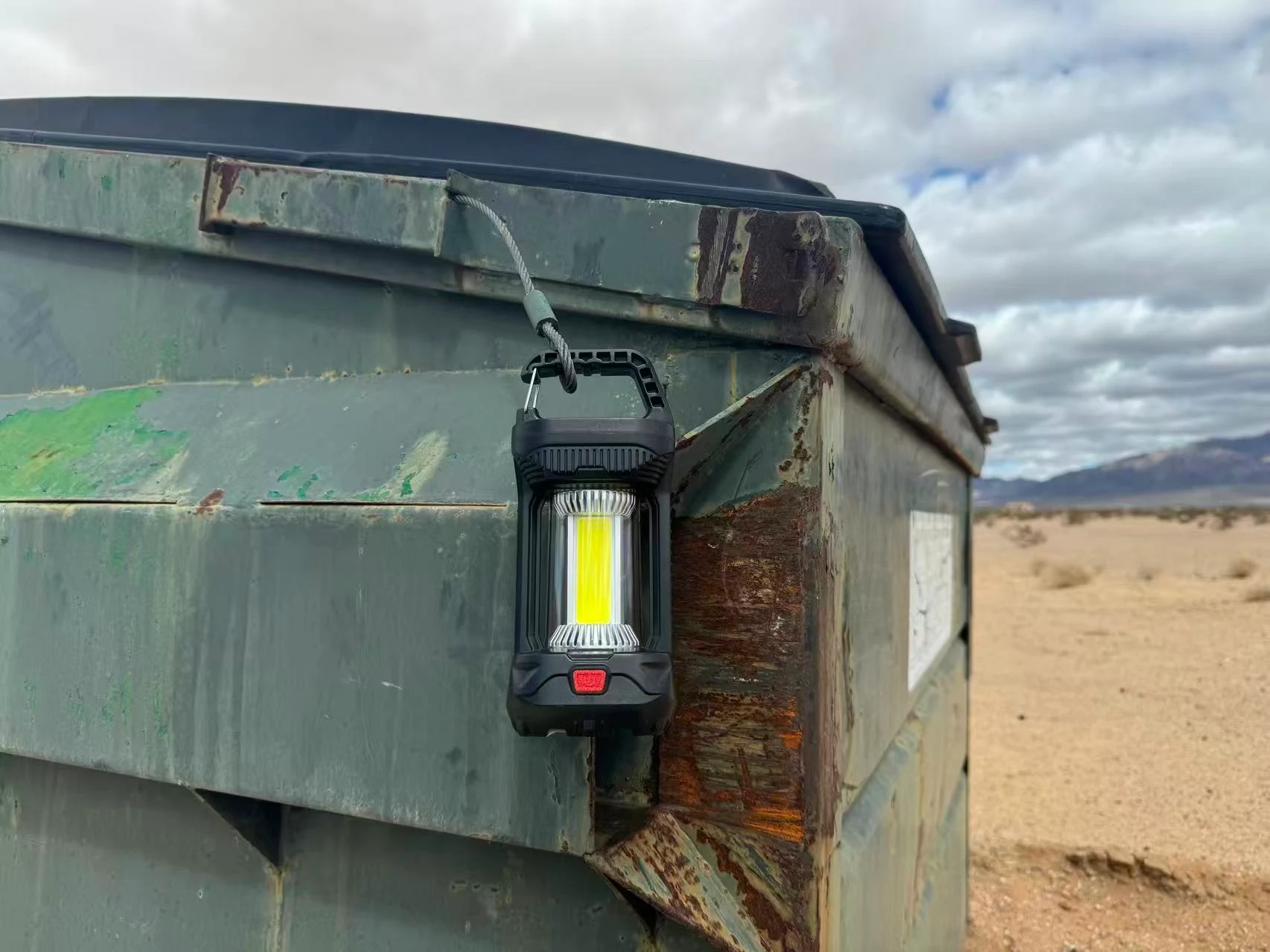
An IP rating, or ingress protection rating, describes dust and water protection under defined test conditions. Match it to expected exposure, such as splashes, rain, or dust. Check the exact SKU and supporting test documents before printing a rating on packaging or product pages.
img.Camping lantern controls and USB charging port.webp
Check controls and physical details on a working sample.
Test the port cover, cable fit, charging indicator, and switch order in low light. Try the buttons with gloves if customers may use them that way.
Check whether the lantern remembers its last mode or resets to a bright setting. Record the expected behavior for sample approval, especially for tent use.
Place it on a table, hang it from a tent loop, and set it on uneven ground. Check that the handle or hook holds position and the base stays stable. Record packed dimensions and weight for backpack, emergency-kit, and retail use.
List accessories by SKU. The specification sheet, sample, carton label, and sales listing should show the same configuration.
A written product brief aligns the buyer, supplier, testing team, and packaging designer. State the use case, then list measurable requirements.
For each camping lantern SKU, record:
Request quotes for the same configuration. Included accessories, packaging, battery capacity, and runtime conditions can differ between offers. Link samples, quotes, and specification revisions by model code.
Separate required features from optional ones. RGB, power-bank output, and solar charging add cost and testing needs. Confirm customer demand and assign each feature to the appropriate model.
Retail brands may need a range from compact tent lights to brighter or ambient models. Distributors may prefer fewer overlapping SKUs and clear price tiers. Set the range before comparing quotations.
Approve a sample against written criteria and keep it as the reference for production checks.
Review output modes, beam consistency, charging, battery indication, switch operation, mounting stability, and package contents. Record runtime mode and test period. Request water or impact evidence for the exact model and claim.
Use the same mode, placement, distance, and observation period for each sample. Photograph labels and packaging, then record differences for the product and quality teams. Review the supplier’s kvalitet og testmuligheter alongside the records supplied for the exact SKU.
Agree how component or design changes are approved. Changes to the LED, lens, battery, or switch can affect performance. Set the finished-goods inspection plan and match labels and carton markings to the approved configuration.
Battery transport paperwork depends on type, capacity, packaging, destination, and shipping method. Request current documents for the ordered product and have the freight partner confirm route requirements before booking.
Assess product development, production, quality checks, and communication alongside the unit quote. Confirm the supplier can deliver the required configuration consistently.
For a standard product, clarify branding, color, packaging, manual language, and accessories. OEM/ODM support can range from branded versions of existing products to custom housing, electronics, firmware, or structure. Each change can affect tooling, testing, cost, and lead time. Request a schedule with approval points.
Discuss forecast volume and order frequency. Seasonal and year-round items may need different packaging and replenishment plans. Confirm how long approved components and artwork can be held for repeat orders, and agree on substitution terms.
Match manufacturing and testing capabilities to the brief. Confirm in-house and external checks, available records, nonconformance handling, and production-lot identification.
HOKOLITEPro’s camping lantern portfolio includes 360-degree lighting, rechargeable and replaceable-battery options, RGB modes, and models with IPX4 or IP44 protection. Features vary by model, so buyers should confirm the specification and test records for each selected SKU.
HOKOLITEPro has more than 20 years of portable-lighting manufacturing experience and supports OEM/ODM projects covering branding, packaging, product structure, functions, electronics, and accessories.Read more about its company background.
Buyers can send project requirements and sample enquiries through the contact page.
EN: Request output by mode, runtime conditions, battery and charging details, beam pattern, dimensions, mounting options, included accessories, protection rating, labels, and the documents tied to the exact SKU.
EN: Compare runtime at the same output mode and under stated test conditions. Check the modes customers will use most often, since the longest figure may describe a low setting.
EN: Integrated rechargeable batteries suit customers with regular charging access. Replaceable cells can fit trips where users carry spares or lack charging access. The choice depends on the market, use duration, and expected power access.
EN: Choose a rating based on expected exposure to rain, splashes, and dust. Verify the rating and its test documentation for the exact model before using the claim in packaging or marketing.
EN: Confirm the current battery and transport documents for the specific battery, product configuration, destination, and shipping method. Have the freight partner verify route requirements before booking.