A PIR motion sensor light saves money by reducing the time an empty warehouse zone spends at full brightness. Instead of leaving every aisle illuminated throughout a shift, occupancy controls switch or dim selected lights after movement stops. The opportunity depends on how long each zone stays vacant, how much power the lights draw and what the controls cost to install.
Warehouse size alone does not determine savings. A busy packing area may offer little opportunity, while a storage aisle used only occasionally may have hours of avoidable lighting each day. Start by identifying those hours, then choose a lighting system suited to the ceiling height and work below it.
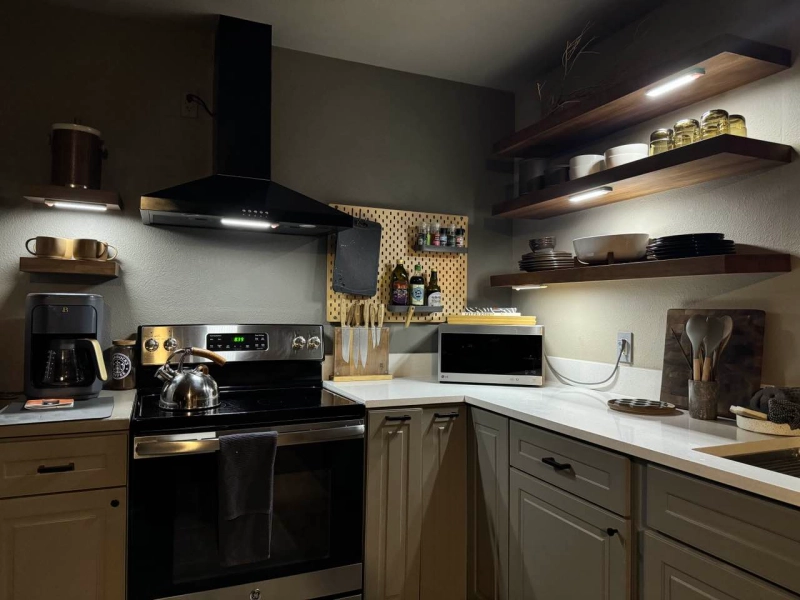
Passive infrared, or PIR, sensors detect changes in infrared energy as people move through their detection zones. A compatible controller can then turn lights on, keep them at working brightness or return them to a lower setting after a delay.
De U.S. Department of Energy’s operations and maintenance guide explains that PIR detection requires a clear view: partitions and corners can hide occupants. Its basic detection guidance remains useful, although the 2010 guide’s older lamp performance figures should not be used to price a current LED project.
Control options differ. An on/off system stops most lighting consumption during vacancy; a dimming system retains background illumination. Daylight control is a separate function that responds to available natural light. Check which functions a particular motion sensor light actually supports.
If you replace older lamps with LEDs and add sensors together, calculate the two improvements separately. First compare the old fixtures with the new LEDs operating on the same schedule. Then compare those LEDs with and without occupancy control.
This makes the sensor investment easier to assess. Otherwise, a large reduction caused by lower fixture wattage can make the controls appear more effective than they are.
Look for lighting that remains on while nobody needs it. Reserve storage aisles, intermittently accessed rooms and some support spaces are sensible places to investigate. Record actual activity before choosing them for a retrofit.
| Area | What to investigate | Design consideration |
| Reserve storage aisle | Length and frequency of vacant periods | Racks may block detection across aisles |
| Picking aisle | Gaps between visits and stationary work | Coverage must include workers who pause |
| Packing station | Continuous versus intermittent occupancy | Long occupied periods leave less saving potential |
| Store cupboard | Lights left on after short visits | Local automatic lighting may be sufficient for a limited task |
Avoid controlling a whole warehouse from one detection point. Movement near a doorway could keep distant, unused aisles illuminated. Smaller zones can align lighting with activity, but extra sensors and wiring also increase cost.
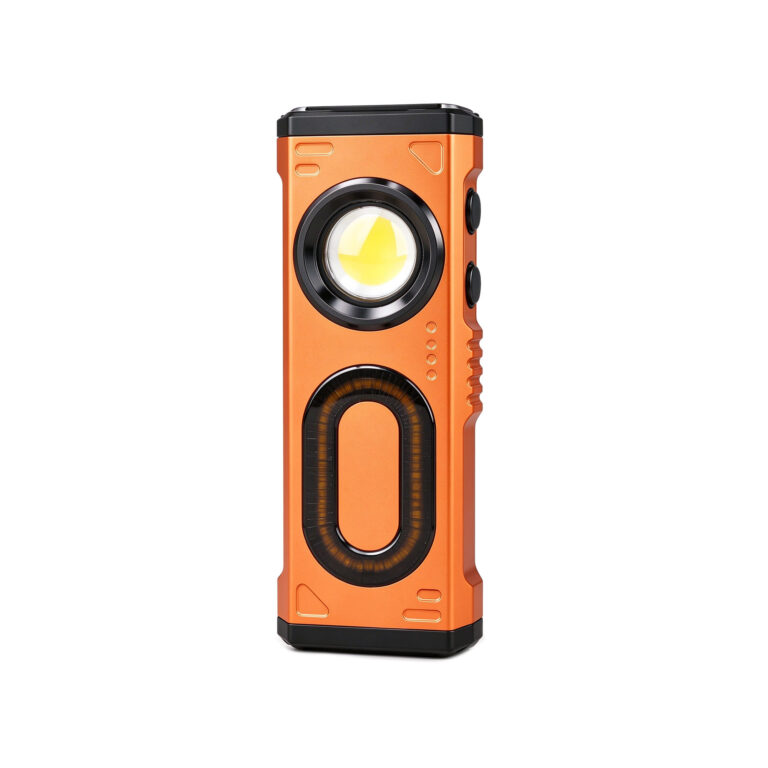
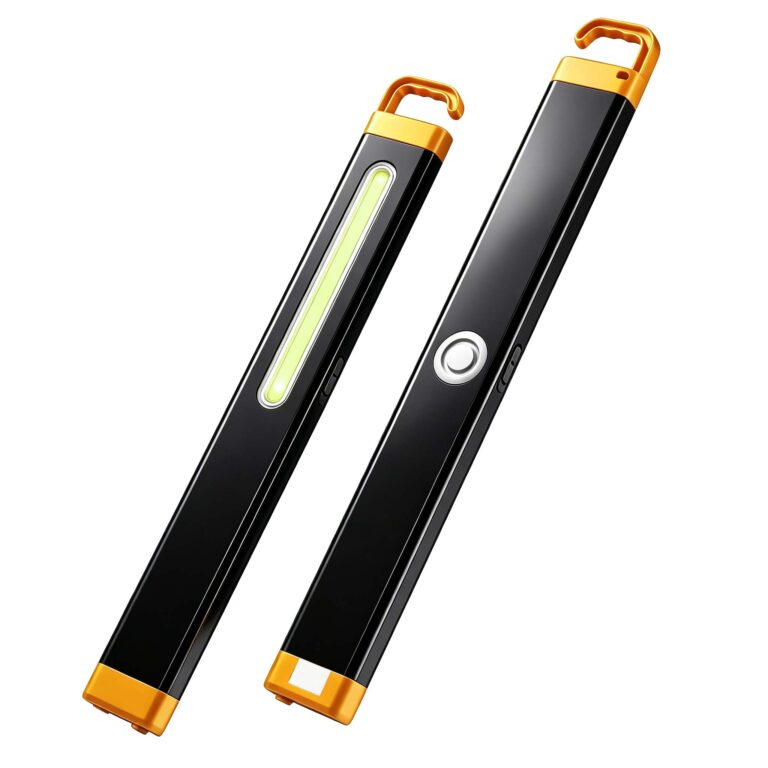
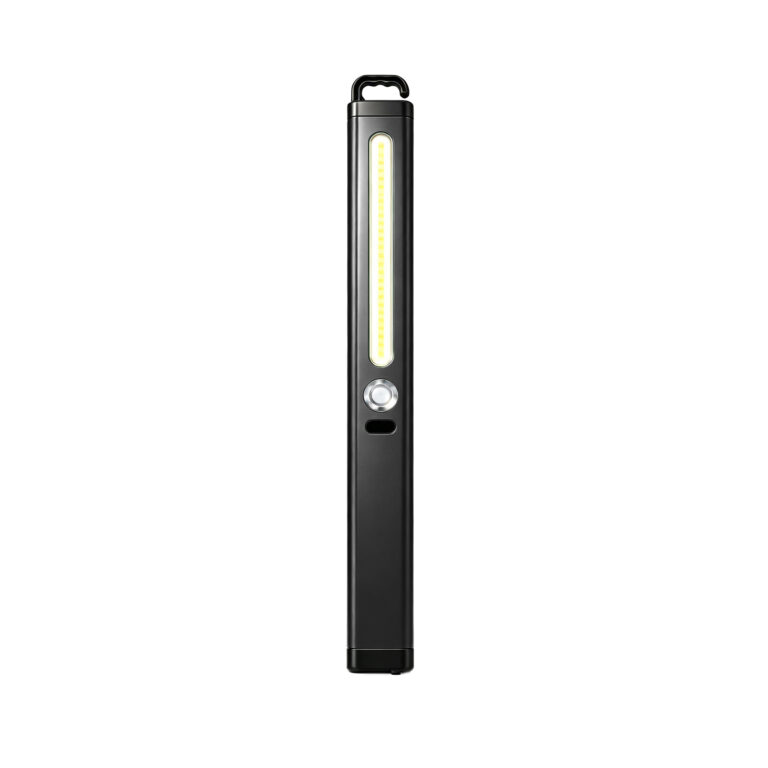
For small supplementary applications, the HOKOLITE motion sensor light range provides a separate product category to review. Assess these local lights against the specific task rather than assuming they provide the coverage of industrial overhead fixtures.
Use measured electrical input power and actual operating hours wherever possible. Include driver losses in fixture power. A nameplate estimate can support an early assessment, but label it as an estimate until measurements confirm it.
Baseline energy (kWh) = fixture count × input power (kW) × operating hours.
For controlled lighting, calculate energy separately for full-output, dimmed and off states. Add any control consumption outside those measurements. Do not add it twice if the meter already captures the entire circuit.
The following inputs are hypothetical. They are not a HOKOLITE case study, product specification, electricity quote or forecast for a particular country. USD is used only to make the arithmetic easy to follow.
| Inndata | Assumed value |
| Fixtures in the selected zone | 100 |
| Full-output input per fixture | 100 W |
| Existing annual operating hours | 4,000 |
| Full-output hours after controls | 2,000 |
| Dimmed hours after controls | 2,000 |
| Measured-equivalent dimmed input assumed per fixture | 20 W |
| Additional control consumption | 100 kWh/year |
| Illustrative electricity rate | USD 0.12/kWh |
The baseline is 100 × 0.100 × 4,000 = 40,000 kWh/year.
After controls, full-output operation uses 20,000 kWh. Dimmed operation uses another 4,000 kWh. Adding 100 kWh for controls gives 24,100 kWh/year.
The calculated reduction is 15,900 kWh/year, eller 39.75% of this zone’s baseline lighting energy. At the assumed rate, that equals USD 1,908 per year. These results apply only to these inputs; they do not describe the entire warehouse bill.
A dimming command is not a power measurement. For example, do not assume that a 20% light-output setting means 20% electrical input. Obtain driver data or measure the actual setting.
Suppose the incremental installed control cost is USD 5,000, with USD 200 in additional annual maintenance. Annual net savings would be USD 1,708, giving a simple payback of approximately 2.9 years.
Include sensors, controllers, installation labour, access equipment, wiring and commissioning in the quote. Simple payback excludes financing, discounting and future tariff changes. Battery replacement belongs in the operating costs of battery-powered lights; a mains-lighting calculation cannot establish their economics.
A long advertised detection distance does not establish suitability for a high ceiling. Review the sensor’s coverage drawing at the proposed mounting height, with the correct lens and orientation.
Purpose-built equipment exists for these conditions. For example, fixture-mounted high-bay PIR sensor uses interchangeable lenses for different applications. That illustrates why lens selection matters; its capabilities do not establish the specifications of another manufacturer’s product.
Test detection with loaded racks. An empty building can give a misleading impression of coverage before goods and shelving obstruct the view.
Someone reading a label or checking stock may move very little. If the sensor loses them and the delay is too short, the light can dim during work. Extending the delay may improve reliability, but it also reduces the vacant time available for saving energy.
Choose settings through an occupied trial. Include picking, packing, slow movement and pauses, as well as normal walking. A motion sensor light should respond reliably before its energy reduction becomes a purchasing argument.
Detection extending beyond the intended zone can keep lights on unnecessarily. Check adjacent traffic, sensitivity and orientation when commissioning. If several zones remain bright whenever one aisle is used, review the grouping as well as the sensor settings.
For overhead warehouse lighting, evaluate fixture output, light distribution, electrical compatibility and sensor coverage together. Where dimming is required, confirm that the driver and controller support the same interface and operating range.
Decide whether an empty zone should dim or switch off through the site’s lighting design and operational requirements. Required emergency and escape-route lighting needs its own assessment; an occupancy setting should not override it.
A battery-powered motion sensor light can add illumination inside a cupboard or close to a shelf without extending a mains circuit. Its value depends on the task, mounting position and maintenance workload. Small local lights serve a different purpose from fixtures illuminating an entire aisle from the roof.
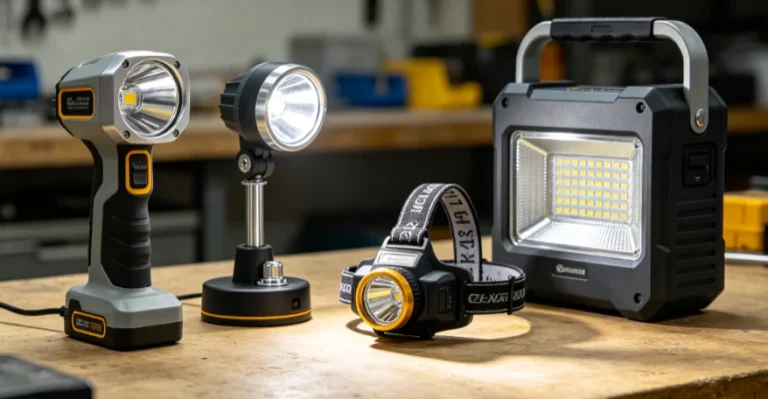
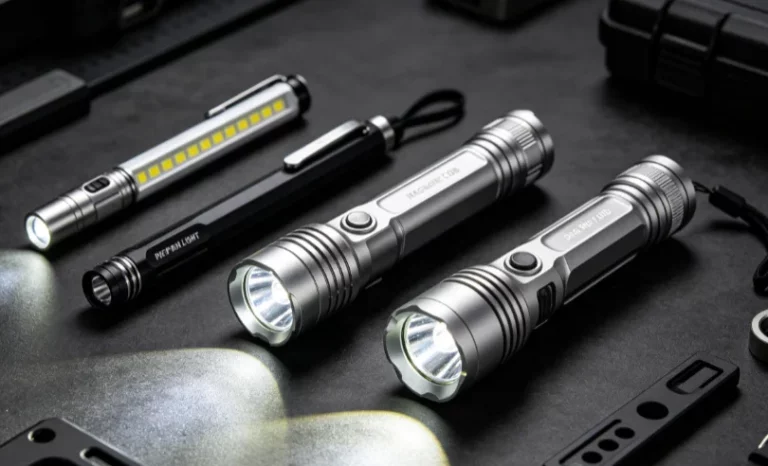
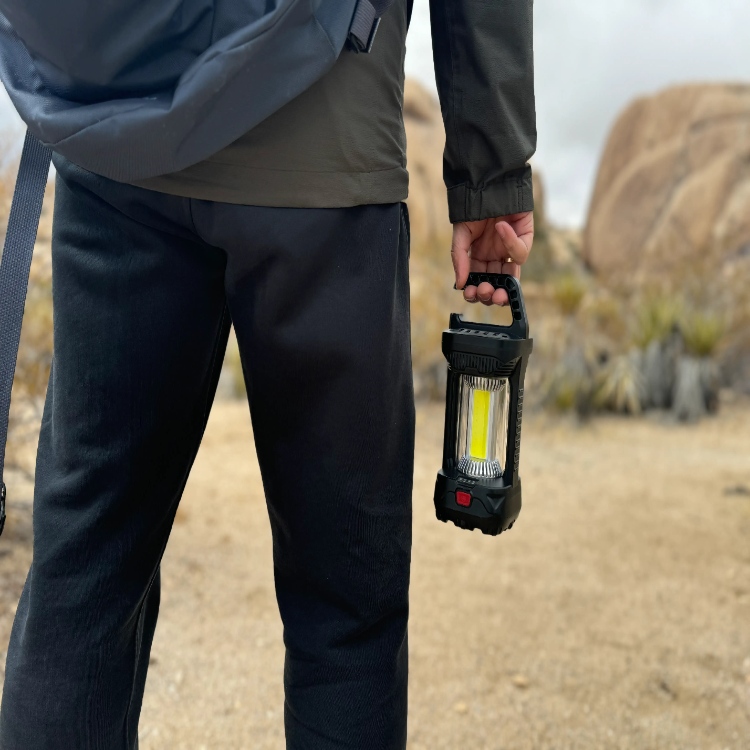
For a specific example, HOKOLITE’s 0065 wireless motion sensor light is listed at a maximum of 30 lumens, powered by three AAA batteries, with automatic shutoff after 20–25 seconds of inactivity. Those specifications describe a compact indoor product. The 5833 gallery photographs shown here depict a different model.
Before purchasing, check battery access, replacement frequency under expected use, mounting security and whether the light reaches the work surface. Do not include a battery light in a mains-electricity saving claim unless it actually replaces an identified mains load and its own operating costs are counted.
Start with a representative zone whose lighting hours and occupancy you can record. A quiet aisle may demonstrate potential savings, but a busy aisle helps reveal how the system behaves under frequent use.
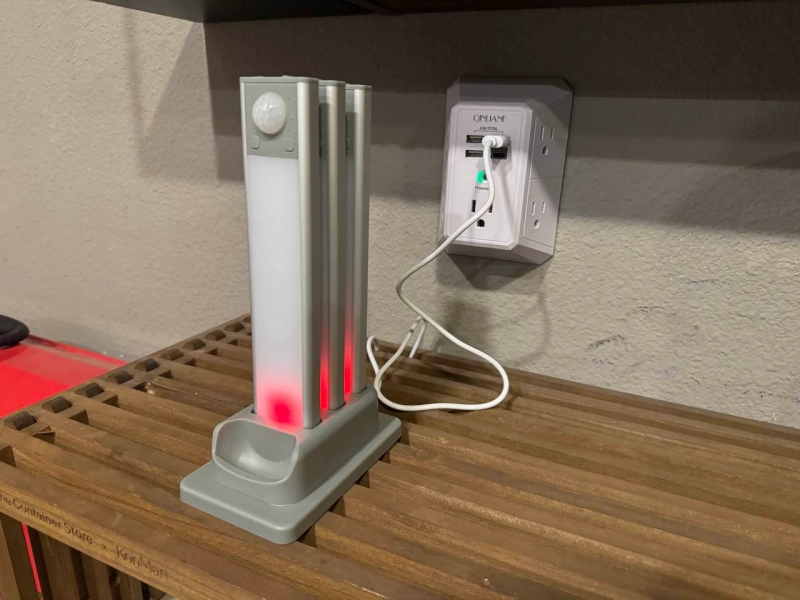
For supplementary lighting, compare the available motion sensor light models against your shelf or cupboard dimensions and access needs. For the larger warehouse, use the pilot’s measured energy and reliable coverage as the basis for the rollout budget.
There is no single saving percentage for every warehouse. The result depends on existing lighting hours, occupancy, dimmed power and control consumption. Calculate the change for each zone, then verify it with metered energy. Separate sensor savings from any reduction caused by replacing older fixtures with LEDs.
Yes, when the specific sensor, lens and mounting arrangement support that height. Check the manufacturer’s detection diagram and test coverage with racks loaded. A general detection-distance claim on a compact indoor light does not demonstrate that it can detect workers reliably from a high warehouse ceiling.
That depends on the site’s lighting design and operating requirements. Some zones may permit automatic shutoff, while others need background illumination or different control arrangements. Test response as people enter the aisle, and account separately for required emergency lighting before deciding how low vacant lighting should go.
Compact battery-powered lights generally provide local illumination for a nearby task or small space. They should not be treated as replacements for overhead warehouse fixtures without a lighting assessment demonstrating adequate coverage and output. Compare their battery and maintenance costs separately from the electricity costs of the main lighting system.