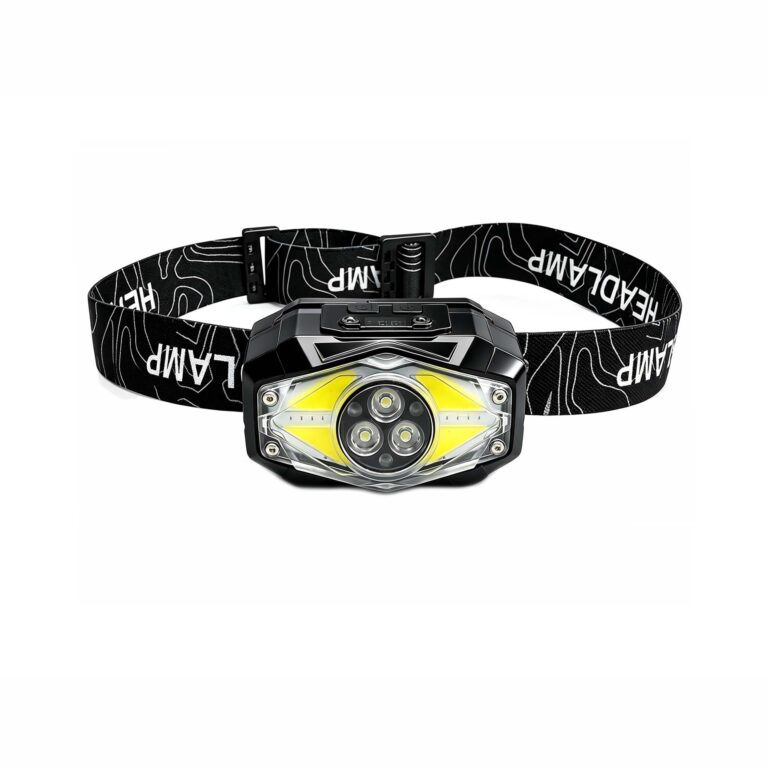
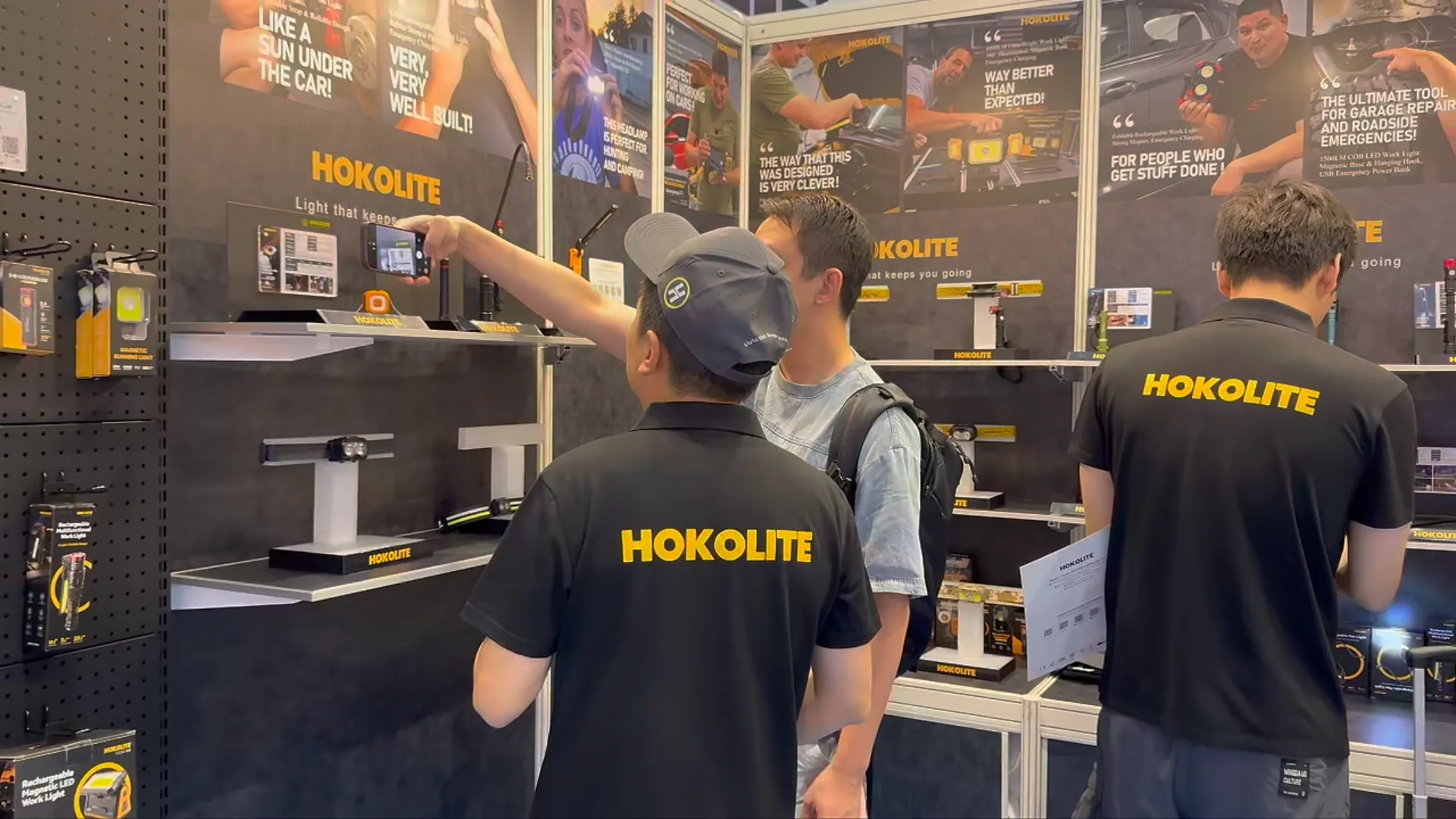
We attracted strong attention from overseas buyers at Hong Kong Electronics Fair 2026, according to our exhibition update published on October 14. The conversations around our booth focused on a practical question for lighting brands and importers: how can portable lights give consumers a clear reason to choose them?
Our participation in the HKTDC Hong Kong Electronics Fair (Autumn Edition) gave us an opportunity to present the product development approach behind our portable lighting range. We combine consumer insights, original industrial design and engineering to help OEM/ODM partners develop products with a clear market purpose.
For European and North American buyers, this means looking closely at how a light fits into everyday use, how easily consumers can operate it and which features can give a product a stronger position in a competitive retail category.
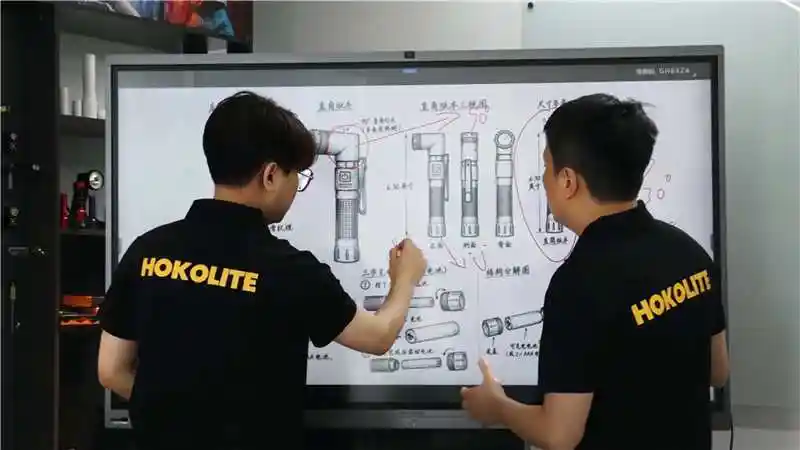
We use the Voice of the Customer (VOC) as an important reference in product development. We study real-life usage scenarios and everyday frustrations, then translate those findings into product functions, intuitive controls, ergonomic improvements and distinctive designs.
A portable light must work effectively in someone’s hands, on a workbench or inside a tent. Its value depends on details that buyers can assess alongside brightness, battery capacity and charging performance.
For a brand developing its next product range, these details also shape the sales proposition. A clear explanation of who a product serves and which task it makes easier can support purchasing decisions across the distribution chain, from importer to retailer and finally to the consumer.
VOC-Driven Design begins with understanding the task a user needs to complete. In portable lighting, that may mean keeping both hands free during repairs, directing light into a confined space or finding the right setting quickly in low-light conditions.
We translate these scenarios into practical development questions:
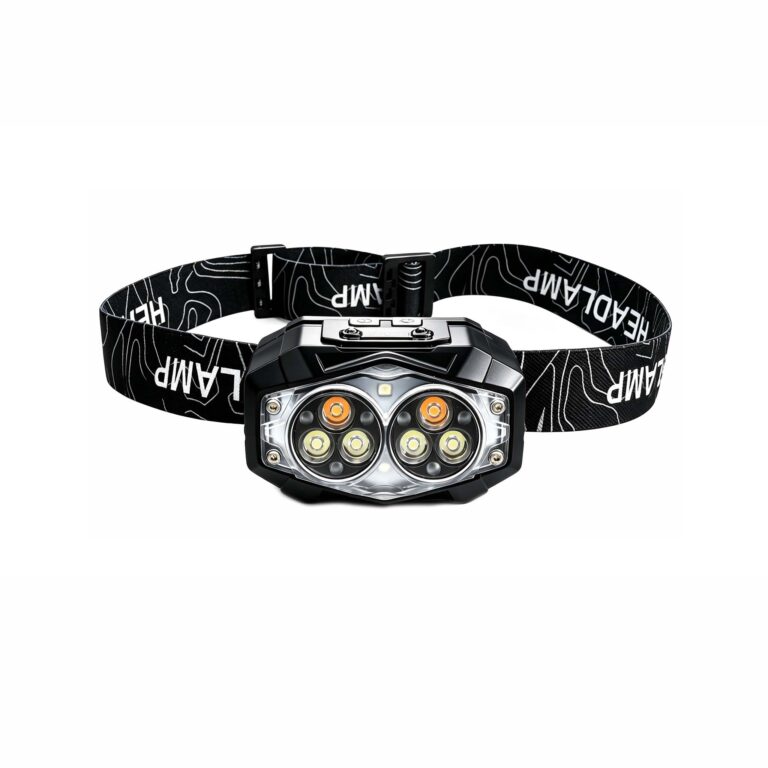
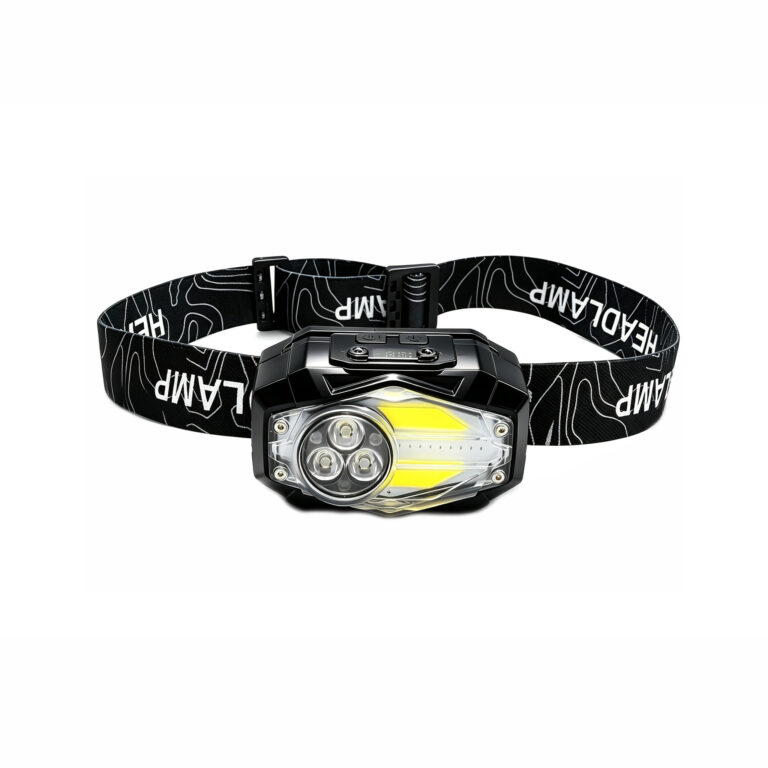
For LED headlamps, weight distribution and accessible controls may be central considerations. For camping lanterns, placement and comfortable illumination may matter more. The priorities depend on the intended user and application.
This User-Centered Design process helps us choose features with a clear purpose. When a function responds to an identifiable need, the brand has a specific product benefit to demonstrate through packaging, product videos and retail listings.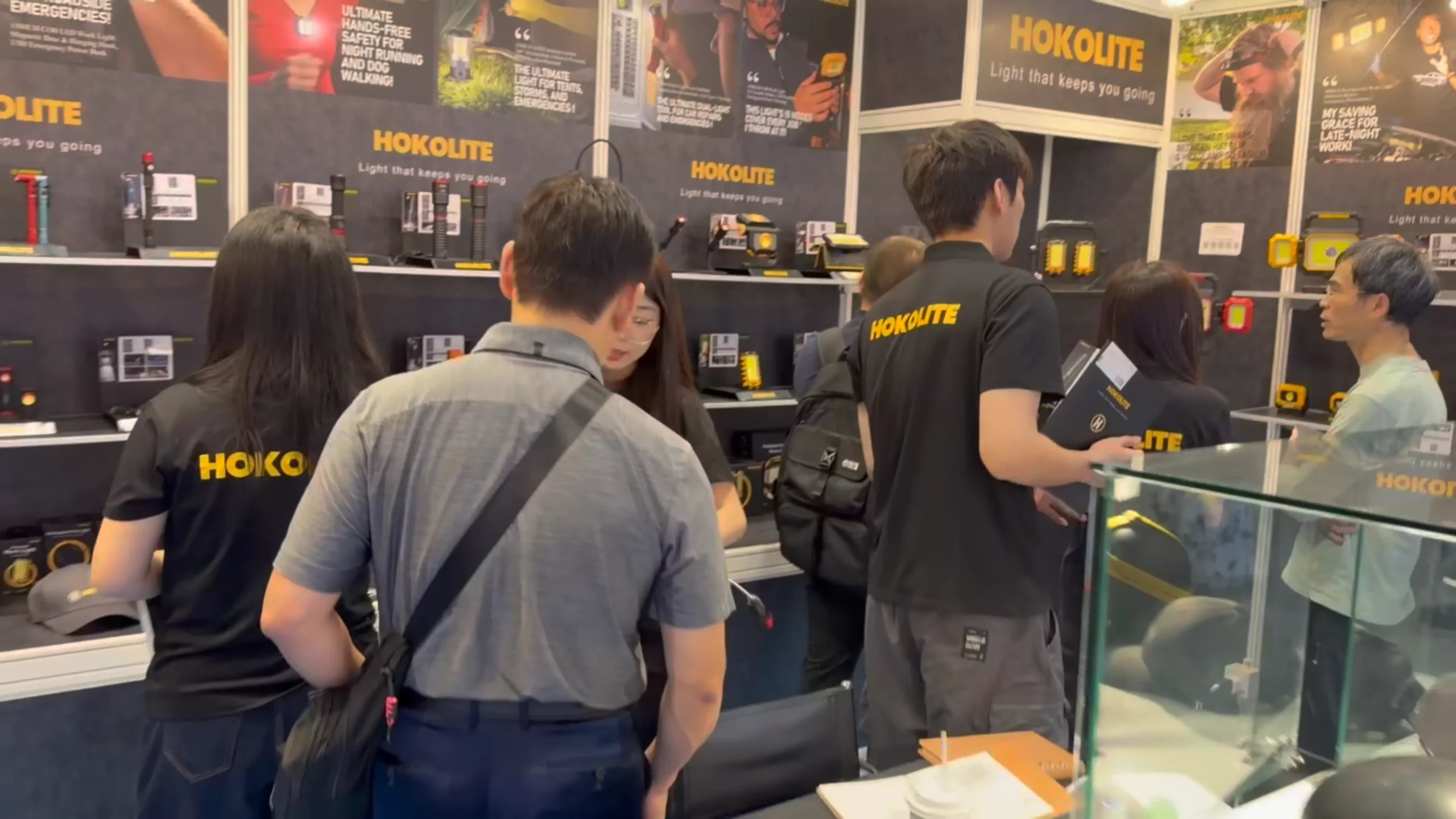
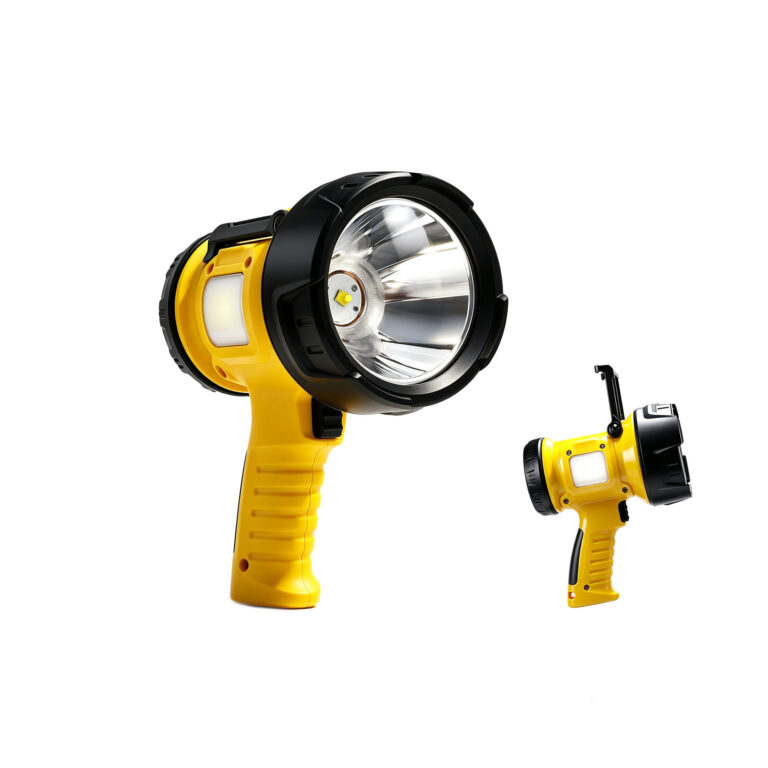
At the fair, our team introduced visitors to our portable lighting range and discussed how its products serve different practical needs across work, outdoor and everyday settings. These conversations brought the design ideas behind each product to life, connecting features such as portability and ease of use with the situations buyers encounter in their markets.
A Product Example: Flexible Mounting and Easier Controls
One product in our online range illustrates how practical design decisions can work together. The HOKOLITE 7684 4-in-1 Heavy-Duty Clamp Light includes a clamp, magnetic base, stand and hanging hole.
For maintenance tasks, these mounting options address a common challenge: the available attachment surface can change from one job to another. A clamp can suit an edge, while a magnetic base can be useful on suitable metal surfaces. The design gives users several ways to position the light while keeping their hands available for work.
The published specifications also include independent switches for spot and flood lighting, a memory function and single-press shutdown after eight seconds of operation. These product UI choices affect how users select illumination and complete routine tasks.
This example shows how product differentiation can come from practical decisions.
Turning a consumer need into custom LED lighting requires structural and electronic development. Mounting stability, housing dimensions and control placement must work together with battery capacity and thermal management.
We have more than 20 years of portable lighting experience, over 200 granted patents and a reported pipeline of more than 30 new designs annually. These capabilities support our focus on original product development and OEM/ODM cooperation.
Our company profile outlines our OEM services, including customization of branding, logos, colors, manuals and packaging. Our quality and testing page describes structural engineering, electronic development and in-house testing capabilities.
For procurement teams, the next step is to connect these capabilities to a specific product brief. Samples, agreed performance criteria and model-specific test documentation help buyers evaluate whether a proposed design meets their requirements.
For businesses considering LED Lighting OEM/ODM cooperation, consumer-led development provides a clearer basis for product selection and investment.
A defined user problem helps us prioritize development work. A demonstrable feature gives retailers a more specific selling point. An original design can support a recognizable product range when its functionality, appearance and price match the target market.
These remain commercial opportunities rather than guaranteed sales results. Market performance depends on execution, distribution and consumer response. Patent coverage and any exclusive design or sales rights also need to be reviewed for each project and documented in the cooperation agreement.
The buyer attention we received at Hong Kong Electronics Fair 2026 has created opportunities for further development discussions. Those discussions can focus on the customer need to address, the product functions required and the validation work needed before production.
Our design philosophy is simple:
We don’t just manufacture lights. We design products that people actually WANT to buy.
For brands planning a portable lighting project, the conversation can start with a target market, a defined end user and an intended retail price. Existing customer feedback and functional requirements can then shape a focused development brief.
Explore our portable lighting range, or contact our team to discuss your product idea and turn real user insights into your next standout product.