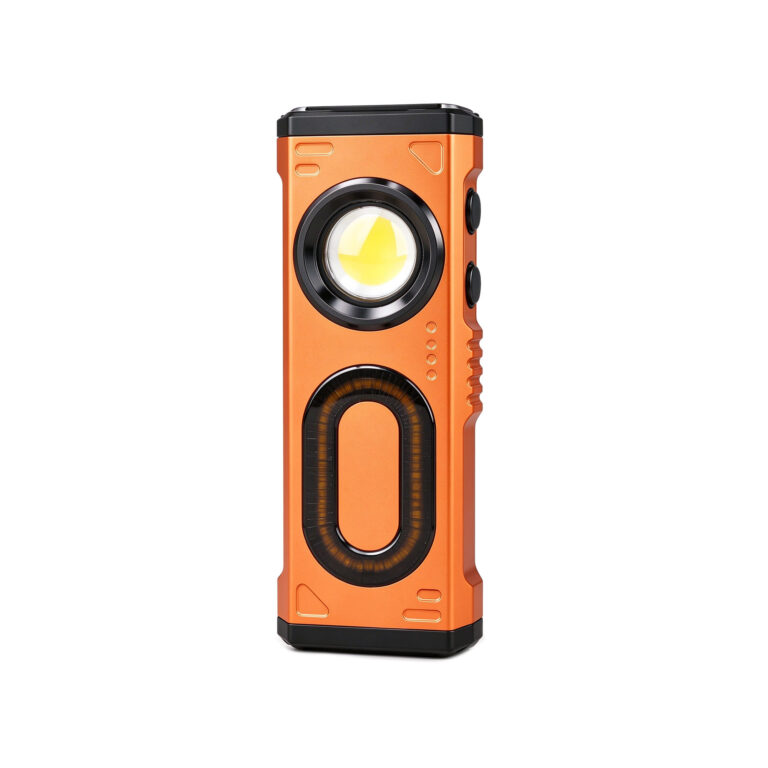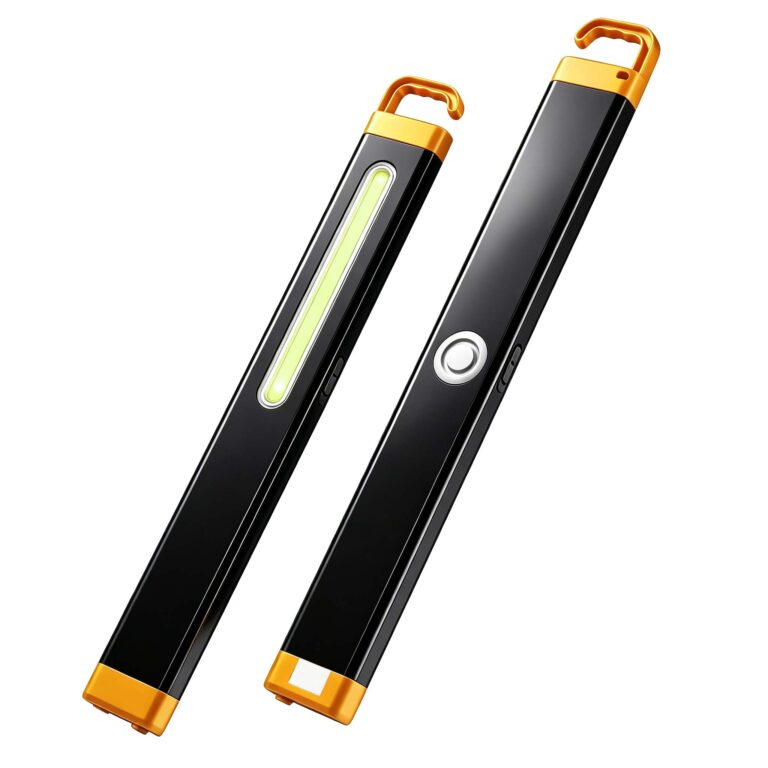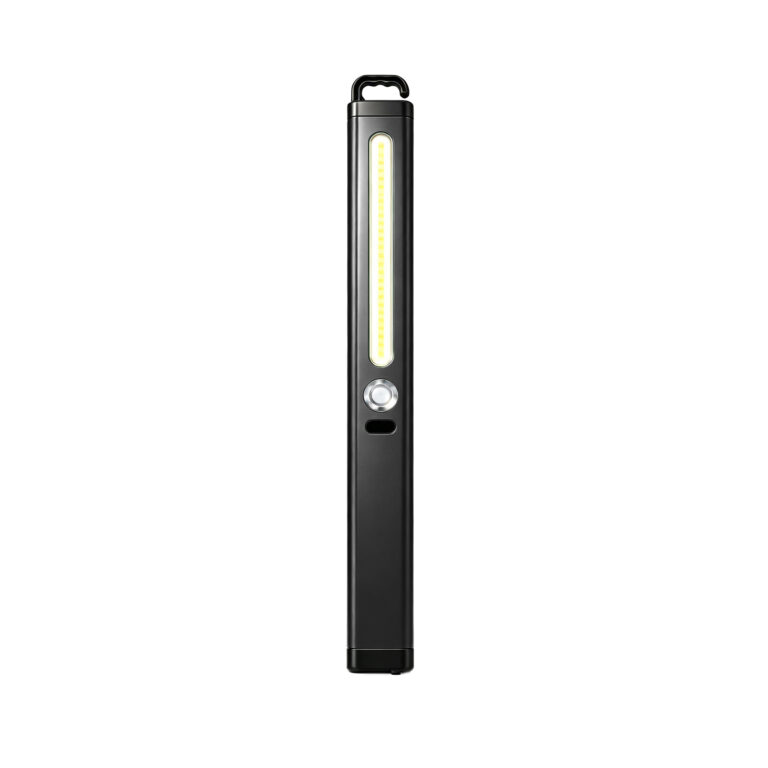
When folks head out into the woods, their gear needs to work right. If you buy, import, or sell these items, you have to watch the details. Look closely at the bulb, the power source, the plastic body, and the official test papers. Think of all this stuff as one big spec sheet. The ten points below let you put different samples side by side. This helps you build a smart lineup for your store. That way, each SKU gets a real job to do.
Check the top lumen count first. But do not stop there. Find out the real light level for every single mode. Campers usually stick to a low or medium setting all night long. Ask the factory to give you their exact test results. Find out how they test it, too.Check the top lumen count first. But do not stop there. Find out the real light level for every single mode. Campers usually stick to a low or medium setting all night long. Ask the factory to give you their exact test results. Find out how they test it, too.
Match the light modes to real camp chores. A person inside a small tent just needs a soft, weak glow. They just use it to read a book or find a lost sock in their sleeping bag. A big camp setup needs a wide, bright beam. That lets the whole group see well. Write down the main mode in your SKU brief. This puts your sales copy and your sample checks on the exact same page.
The beam shape decides where the light actually goes. A 360-degree lamp lights up a whole picnic table. A flat panel shines strictly on one spot. A diffuser is a very big help here. It takes away the harsh, bright glare when the lamp sits close to someone’s face.The beam shape decides where the light actually goes. A 360-degree lamp lights up a whole picnic table. A flat panel shines strictly on one spot. A diffuser is a very big help here. It takes away the harsh, bright glare when the lamp sits close to someone’s face.
Test your samples at normal table heights. Put them exactly where folks usually set them down. Look out for dark, annoying shadows behind the plastic handles. Watch for bad glare coming from the cover. See if a book or cup blocks the light totally. You can look at the whole camping lantern line. Then, match each item to a specific camp job.
How long will it stay on? This relies on a few things. Brightness, battery size, and the wires inside all matter. Cold weather hurts battery life. Ask the maker for a clear chart. It needs to show the exact run time for every setting.How long will it stay on? This relies on a few things. Brightness, battery size, and the wires inside all matter. Cold weather hurts battery life. Ask the maker for a clear chart. It needs to show the exact run time for every setting.
Check their test rules closely. A big “up to 50 hours” claim might only be for the lowest setting. That does not help a buyer who wants a bright light for dinner. Find out when the test clock stops. Some tests stop when the light fully dies out. Others stop when the light gets too dim to see. Pick one rule to follow. Use it for every single model on your list. Write this rule in the final spec. The box will then tell the exact truth.
The battery changes the whole product. It shifts the size, the weight, and the runtime. It also changes how you fix it later on. Built-in batteries are great for car camping. Normal AA or AAA batteries do better deep in the woods. Hikers bring spare batteries. They have no wall plugs out there on the trail. Your product line can sell different models for both of these needs.The battery changes the whole product. It shifts the size, the weight, and the runtime. It also changes how you fix it later on. Built-in batteries are great for car camping. Normal AA or AAA batteries do better deep in the woods. Hikers bring spare batteries. They have no wall plugs out there on the trail. Your product line can sell different models for both of these needs.
Note the battery chemistry and capacity for every SKU. Check if the user can take the battery out easily. If the battery stays locked inside the plastic shell, ask how to fix it. Figure out how warranty claims work. State clearly if the box includes batteries or a USB cord. The price quote, the sample box, and the online listing must match perfectly.
Grab a working sample. Look right at the charge port. Check the little rubber flap. Make sure the cord fits tight. Watch the tiny lights that show the power level. Ask the builder what the lights do when it is full. Find out the exact charge time.A clear battery light helps campers get ready. Decide if the lantern needs to stay on while plugged in. Some markets care about this a lot. Test this feature yourself. Put its limits in the product guide. Pick one specific charging port type. Put it in the spec. This stops the factory from changing the cord later on.
Warm white light feels cozy inside a dark tent. But a crisp white light works better for cooking. It also helps you find lost stuff at night. Dimming settings are great for reading maps up close. RGB color modes add fun to a camp party.Pick the modes based on the buyer. Think about the price tag. Do not add twenty color modes to a cheap work lantern. It just annoys people. Try the buttons in a dark room. Count the clicks to get the right light. Write this click order down. Users should find the low or white light fast.
Pick a defense level that makes sense. Think about rain, mud, and splashes. An IP rating shows how tough the lamp is. It comes from real lab tests. Match this number to the model. IPX4 handles splashes of water, for example. But IPX4 will not block dust at all.Ask the factory for the real test paper for the exact SKU. Do this before you print an IP rating on a box. Look at the supplier testing tools. This shows if they run a good factory. Then, check the papers for the specific order. General factory info is nice. Exact test papers for the model prove it actually works.
The outer shell and rubber rings keep the inside parts safe. Folks drop their gear outside a lot. Look closely at the clear plastic cover. Check the seams, the rubber plugs, the button, and the handle.Handle the sample roughly. Watch for loose parts or cracks. Make rules about drop tests. Compare the drop test results fairly. The build changes the weight and the cost. A thick plastic shell works for heavy-duty camping. A thin, light shell is better for hiking bags. Match the build to the buyer. Write down the approved plastics in the final factory order.
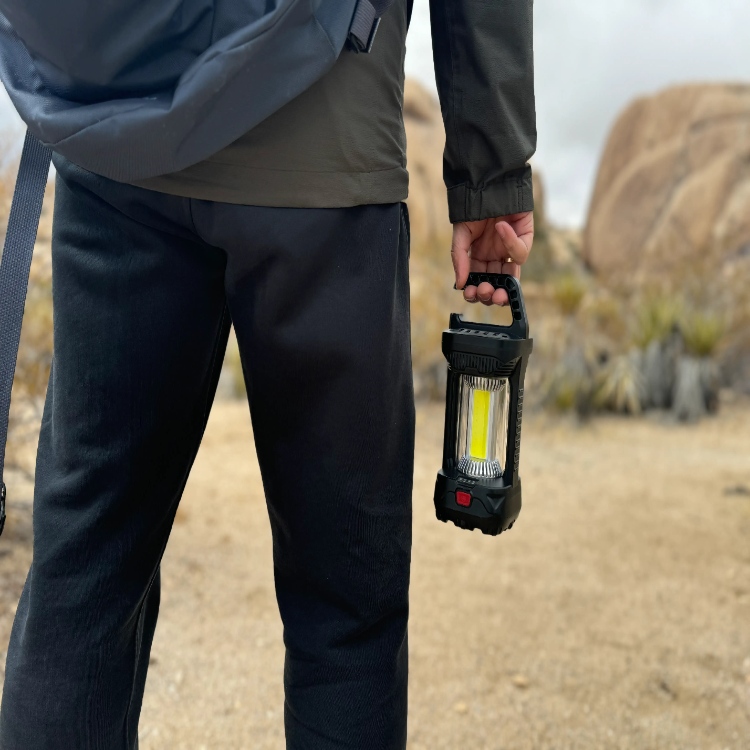
The lantern needs to sit or hang safely. Put it on a flat table. Set it on rough dirt. See if it tips over. If it has a hook on top, hang it from a tent rope. Give it a shake. Does the handle stay on?Write down the exact packed size and weight for every SKU. These numbers matter a lot. They change how it looks on a store shelf. They change shipping costs. List every extra part on its own line. Hooks, cords, covers, and bags can change from one model to the next.
Buttons need to be easy to push in the dark. Test the button size with your own hands. Try it while wearing winter gloves. See what happens when you turn it off and back on. Does it remember your last choice? Or does it blind you with a bright flash?Compare the final sample to the written specs. Check the manual, the box label, and the website ad. Everything must match perfectly. Check the battery, extra parts, light modes, and waterproof claims. This catches mistakes before a massive shipment arrives.
Take these ten steps. Make a clear guide for each camping lantern SKU. Write down who will buy it and where they will go. List the lumens, beam shape, and true battery life. Note the battery kind, port, size, hooks, extra parts, IP rating, and test papers.Do this before you ask for factory prices. Mark every feature as a must-have, a nice extra, or a skip. Add the target store and price limit. Ask the factories to tell you about any changes. This helps your team compare offers better.Keep the strict rules separate from fun extras like RGB lights or phone chargers. Those extras change the final cost. Tell the suppliers to quote the exact same build. Keep your notes in the sample box. Check if they sneak in a cheaper battery before they start the big run.Img.hanging a lantern.webp
You must judge the factory well. Watch how they design and check things. Ask who signs off on new parts. Ask how they keep track of parts for different runs. If you want OEM/ODM work, agree on logos, box art, and colors early. Do this before you pay a dime.HOKOLITE makes camping lanterns with 360-degree lighting. They sell models with rechargeable or normal replaceable batteries. They offer RGB modes and lanterns with IPX4 or IP44 protection ratings. The exact features change by the model. HOKOLITE also does OEM/ODM jobs for logos, boxes, structures, wires, and extra parts. Buyers should look at their company history. Send the buyer needs, the required list, the country, and the order plan through their contact page to get started.
A: The right number depends on where you put it. Check the lumen numbers for each mode. Take the samples into a dark tent and set them on a picnic table. See if it is too dim or if it makes bad shadows.
A: Ask for the battery life of each mode. Make sure the factory uses the same test rule for every single lantern. Compare those specific numbers based on real camp use.
A: Pick a number based on real rain and dirt risks. Always check the official test paper for the exact SKU. Do this before you print the waterproof claim on the box.
A: A built-in battery is great for folks who camp near their cars. Standard replaceable batteries are better for long trips into deep woods. Pick based on who buys it and how long they stay outside.
A: Yes, many models give you different color choices. You can pick warm white for sleeping areas or bright white for cooking. Some even have RGB colors for fun camp parties.