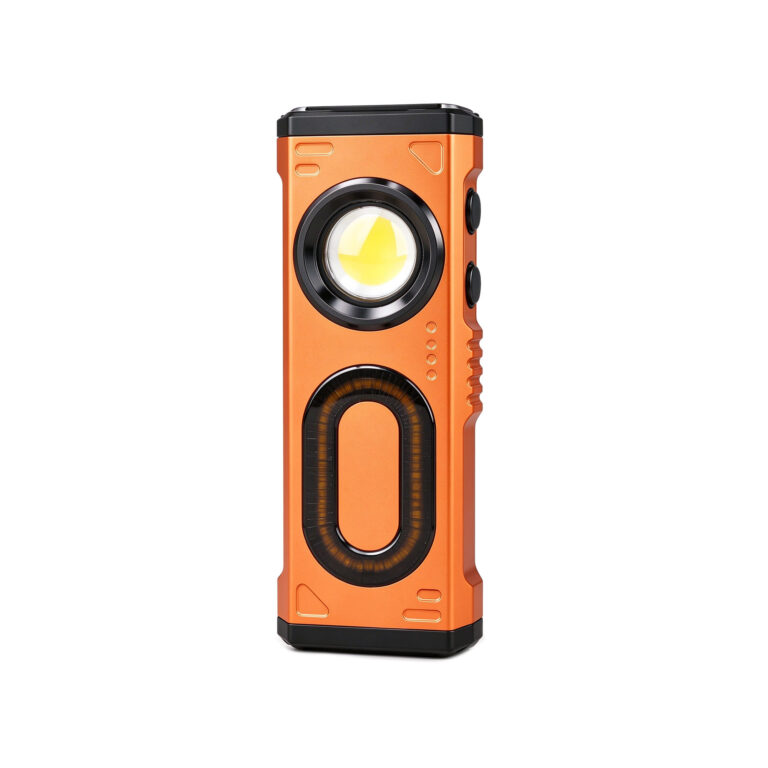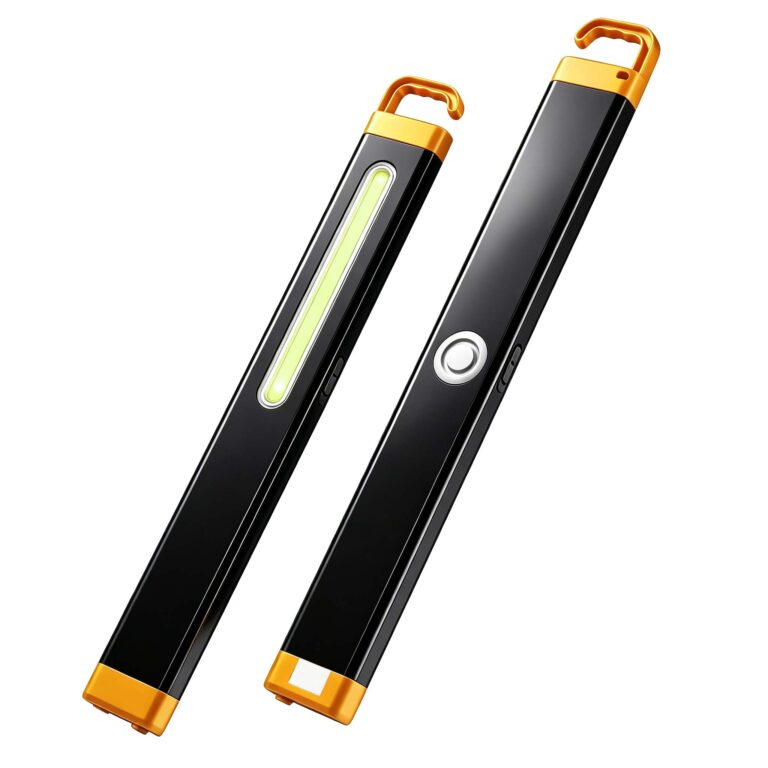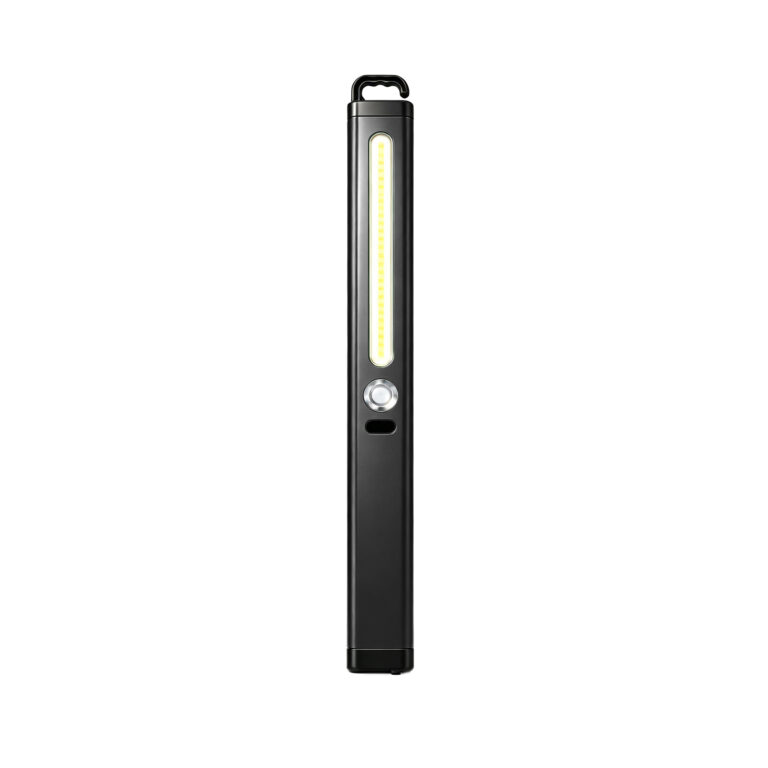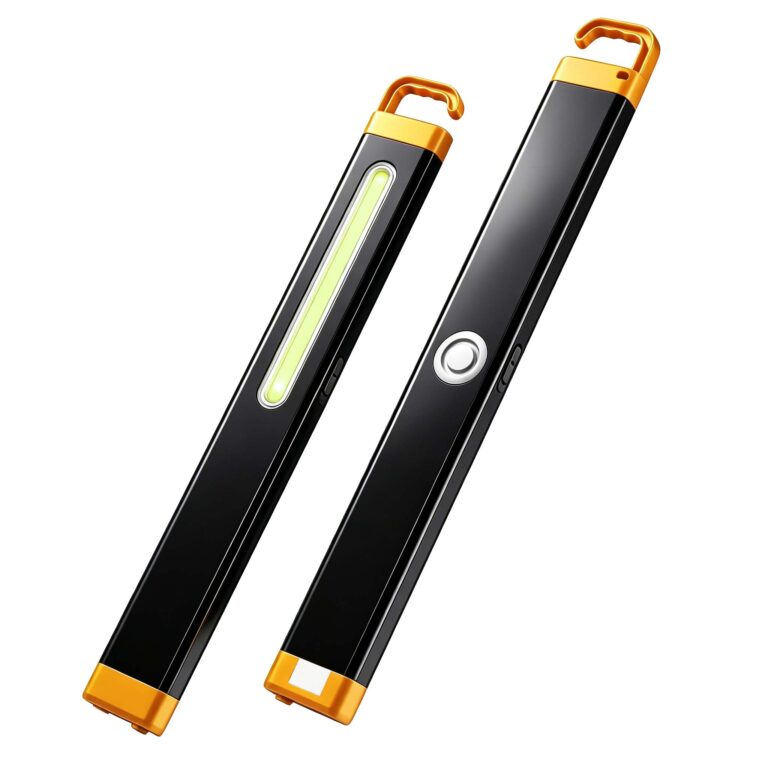
A PIR motion sensor light is a light that uses a passive infrared sensor to detect movement and trigger illumination. The sensor responds to changes in infrared energy as a person moves through its field of view. PIR stands for passive infrared: the detector receives infrared energy and emits none of its own.
When comparing HOKOLITE motion sensor lights, start with the intended location. Think about where someone will approach the light and how long they need it to stay on. Use those details to assess each model’s coverage and controls.
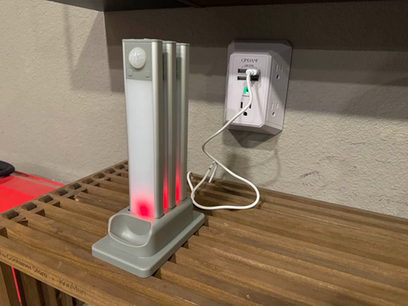
A PIR detector uses a Fresnel lens to form several fields of view and focus thermal energy onto a sensing element. As a person moves between those fields, the infrared image changes and produces a sensor response.
Consider a light you want to install beside a cabinet. Mark where someone will stand when opening it, then compare that position with the coverage shown in the mounting instructions. Ask for a coverage diagram if the description gives only a maximum distance. Use the diagram to plan the position before fixing the light in place.
In the indoor lighting controls described by the U.S. Department of Energy’s March 2022 report, detection starts a timer. Further movement restarts it; when the interval expires with no new detection, the light switches off. A stationary heat source produces a diminishing PIR signal.
For a motion sensor light beside a work surface, include a pause in your sample test. Stand where you expect to work and stay still for the period you normally need. Watch when the light turns off, then move again. Compare that sequence with the manual’s description of the selected mode and delay.
호콜라이트의 PIR 센서 캐비닛 조명 is one product example: its technical specifications list a built-in PIR motion sensor. Use the instructions for that exact model when checking its operation.
Distance, temperature contrast with the background, and movement speed affect PIR sensitivity. The lens and sensing electronics also influence its response.
Plan your test around the route someone will actually take. Approach the proposed mounting position from each entrance you expect to use, and record where the light first responds. Repeat the test at the distances relevant to that location. Avoid choosing an installation height from a generic diagram for another product; follow the selected model’s mounting guidance.
For purchasing discussions, ask how the stated detection coverage was tested. Review HOKOLITE’s quality and testing information alongside questions about the particular model. Request results that identify the sample and test conditions when detection performance is part of your buying specification.
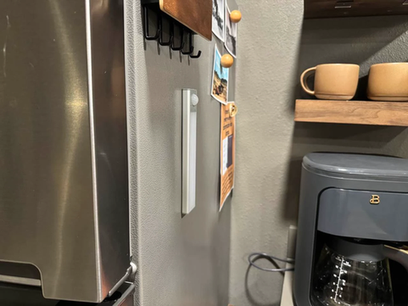
Write a short description of the intended use before comparing models. “Light the cabinet while someone selects an item” gives you a practical sample test. Add the expected approach path and the time the person will spend there.
Use the following questions to turn that description into a product checklist.
|
Detail |
What to ask |
|---|---|
|
Detection coverage |
What distance and coverage angle are specified, and under what conditions? |
|
Mounting position |
Where does the manufacturer recommend installing this model? |
|
Shutoff delay |
How long does the light stay on after detection, and is that interval adjustable? |
|
Operating modes |
Which sensor modes are available? Is there a continuous-on option? |
|
Ambient-light control |
Does the selected mode allow activation during daylight? |
|
Intended environment |
Is the exact model specified for the location where you plan to install it? |
For a bulk order, put the answers in the model specification used for sample approval. Ask the supplier to distinguish the sensor’s shutoff delay from any separate timer function. If you need continuous illumination during a task, include that requirement in the sample evaluation.
A stationary heat source produces a diminishing sensor signal. When evaluating a motion sensor light, test the pauses expected in your application and check the shutoff delay. For a place where someone will remain at a task, ask whether the model offers a suitable continuous-on mode.
Choose against the actual approach path and mounting position. Ask for the exact model’s stated range and coverage angle, then test a sample in the intended location. Include the point where illumination needs to begin in your acceptance criteria, so the test answers a useful question.
Check the selected model’s instructions for its shutoff delay and whether further detection restarts that delay. Ask separately about any manual timer. During sample evaluation, use the mode you intend to select and measure the interval after the last movement.
Evaluate a PIR motion sensor light with a simple sequence: approach, pause, and move away. Record when it activates and when it switches off. Use the same sequence for each sample so you can judge its behavior against your installation requirements.
For a HOKOLITE product enquiry, contact the team with the model name and a description of the mounting location. Include the approach distance and how long illumination is needed, then request the corresponding instructions and specifications.